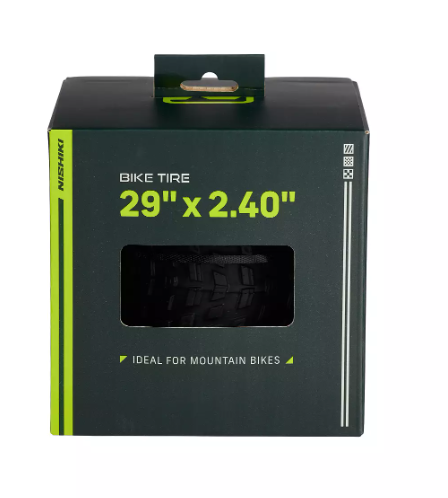
Nishiki 29″ x 2.40″ Mountain Bike Tire
- Fits 29″ mountain bikes
- High-traction tread pattern
- PSI Rating: 40
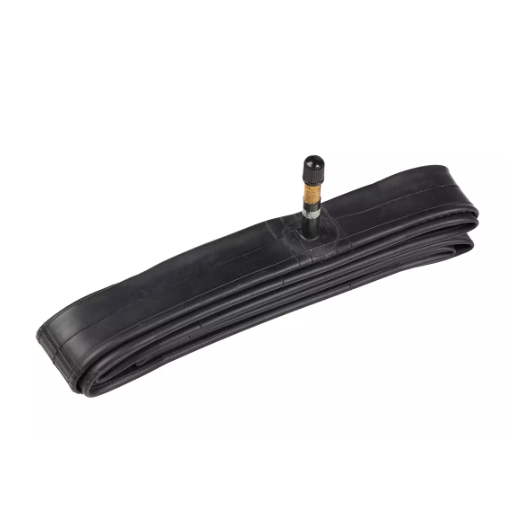
Nishiki Schrader Valve 700c 35-45 Bike Tube
- The Nishiki® Schrader Valve 700c 35-45 Bike Tube allows you to replace your flat or worn out bike tube fast and easily. This bike tube features a Schrader valve and is designed to fit 700c tires with a width range of 35-45. Ride confidently on the road with the Nishiki® Schrader Valve 700c 35-45 Bike Tube.
From replacement essentials to performance upgrades, discover the world of Nishiki bicycle components and maintenance
When the rubber meets the road and your faithful Nishiki bike starts showing signs of wear, the journey into the world of bicycle parts begins. Whether you’re a weekend warrior pedaling through suburban trails or a daily commuter navigating city streets, understanding Nishiki bike parts becomes essential for maintaining that smooth, reliable ride that drew you to the brand in the first place.
Nishiki bicycles have carved out a distinctive place in cycling culture, offering quality builds at accessible price points. But like any mechanical marvel, these bikes require attention, care, and occasionally, replacement parts. The good news? The universe of Nishiki bike parts is both vast and accessible, catering to everyone from the casual rider to the dedicated cycling enthusiast.
Understanding Your Nishiki: A Foundation for Parts Knowledge
Before diving into the specifics of where to find and how to install various components, it’s crucial to understand what makes your Nishiki tick. These bikes, known for their solid construction and reliable performance, utilize a combination of proprietary and standard bicycle components. This hybrid approach means that while some parts are specifically designed for Nishiki models, many components follow industry-standard specifications that open up a world of compatibility options.
The beauty of working with Nishiki bike parts lies in this balance. You’re not locked into a closed ecosystem of expensive proprietary components, yet you still benefit from parts designed specifically to complement your bike’s geometry and intended use. This flexibility becomes particularly valuable when you’re looking to either replace worn components or upgrade your ride’s performance characteristics.
Where to Source Your Nishiki Components
The quest for Nishiki bike parts can take you down several different paths, each with its own advantages and considerations. Local bike shops remain the gold standard for many cyclists, offering the invaluable combination of expert advice, hands-on examination of parts, and professional installation services. These shops often maintain relationships with distributors who can source specific Nishiki components, even if they don’t keep them in regular stock.
Online retailers have revolutionized the parts marketplace, offering extensive catalogs of Nishiki bike parts at competitive prices. Major cycling retailers maintain comprehensive online inventories, complete with detailed specifications and compatibility information. The convenience of shopping from home, combined with customer reviews and detailed product descriptions, makes online sourcing an attractive option for many cyclists.
Specialty cycling forums and marketplaces have emerged as treasure troves for both current and discontinued Nishiki bike parts. These platforms connect sellers with buyers who understand the specific needs of Nishiki owners, creating communities where knowledge and parts flow freely. The social aspect of these platforms often yields valuable insights about part compatibility and installation tips from experienced Nishiki enthusiasts.
The Essential Replacement Parts Every Nishiki Owner Should Know
Understanding which Nishiki bike parts commonly require replacement helps you prepare for maintenance needs and budget accordingly. Chains represent perhaps the most frequently replaced component on any bicycle, and Nishiki bikes are no exception. The constant flexing, stretching, and exposure to elements means chains gradually wear and stretch beyond their useful limits.
Brake components, including pads, cables, and housing, form another category of regularly replaced Nishiki bike parts. The friction inherent in braking gradually wears down brake pads, while cables can fray or stretch over time. Understanding your specific Nishiki model’s brake system helps ensure you select compatible replacement components.
Tires and tubes face constant wear from road contact and environmental exposure. The specific tire sizes and valve types used on your Nishiki model determine which replacements will fit properly. Most Nishiki bikes use standard tire sizes, making replacement options abundant and affordable.
Derailleur components, while generally durable, occasionally require adjustment or replacement, particularly on mountain bike models that see aggressive use. The precision required for smooth shifting means these Nishiki bike parts benefit from proper selection and careful installation.
Compatibility Considerations: Mixing Brands and Standards
One of the most frequently asked questions about Nishiki bike parts concerns compatibility with components from other manufacturers. The encouraging news is that the bicycle industry largely operates on standardized specifications for many components. This standardization means that parts from Shimano, SRAM, Campagnolo, and other manufacturers often work seamlessly with Nishiki bikes.
Threading standards for bottom brackets, headsets, and other threaded components generally follow industry norms, making replacement straightforward. Cable routing, derailleur hangers, and brake mounting systems typically use standard dimensions that accommodate parts from various manufacturers.
However, some considerations apply when mixing brands. Frame-specific measurements, such as derailleur hanger shapes or proprietary cable routing systems, may require Nishiki-specific parts. Additionally, while functional compatibility may exist, aesthetic compatibility might vary when mixing components from different manufacturers.
Identifying Your Specific Nishiki Model for Accurate Parts Selection
Successfully sourcing Nishiki bike parts often begins with accurately identifying your specific model and year. Nishiki has produced numerous models over the years, each with subtle differences that affect part compatibility. Model names, often found on the frame or head tube, provide the starting point for parts identification.
Serial numbers, typically located on the bottom bracket shell or rear dropout, can help pinpoint the exact year and specifications of your bike. This information becomes particularly valuable when dealing with older or discontinued models where specification changes occurred between model years.
Component specifications stamped or printed on existing parts provide another avenue for identification. Derailleur model numbers, brake types, and crankset specifications help ensure replacement Nishiki bike parts match the original equipment specifications.
Official Nishiki Parts vs. Aftermarket Alternatives
The landscape of Nishiki bike parts includes both official replacement components and aftermarket alternatives. Official Nishiki parts, when available, guarantee exact compatibility and maintain the original aesthetic and functional characteristics of your bike. These parts often come with warranty coverage and the assurance of meeting Nishiki’s quality standards.
Aftermarket alternatives open up possibilities for both cost savings and performance upgrades. Many aftermarket manufacturers produce components that exceed original equipment specifications while maintaining compatibility with Nishiki bikes. This category includes everything from basic replacement parts to high-performance upgrades that can transform your bike’s capabilities.
The choice between official and aftermarket Nishiki bike parts often comes down to specific needs, budget considerations, and personal preferences. Basic maintenance items like cables, brake pads, and chains often benefit from aftermarket options that offer superior performance at competitive prices. More specialized components might warrant official parts to ensure perfect compatibility and maintain warranty coverage.
Cost Considerations and Budgeting for Maintenance
Understanding the cost landscape for Nishiki bike parts helps you budget effectively for both routine maintenance and unexpected repairs. Basic maintenance items like brake pads, cables, and chain lubricants represent relatively modest investments that can significantly extend your bike’s life and performance.
Mid-level components such as derailleurs, brakes, and wheelsets fall into a moderate price range where quality differences become more pronounced. Investing in quality Nishiki bike parts in this category often provides noticeable performance improvements and longer service life.
High-end components like complete wheelsets, advanced drivetrains, and specialty accessories can represent significant investments. These Nishiki bike parts often provide the most dramatic performance improvements but require careful consideration of how they align with your riding style and goals.
Performance Upgrades: Transforming Your Nishiki
The standardized nature of many bicycle components opens exciting possibilities for upgrading your Nishiki with aftermarket Nishiki bike parts that enhance performance, comfort, or aesthetics. Drivetrain upgrades can transform your bike’s shifting precision and gear range, making climbs easier and descents more controlled.
Brake upgrades represent another popular category of Nishiki bike parts modifications. Modern brake systems offer improved stopping power, better modulation, and enhanced reliability compared to older systems. These upgrades often prove particularly valuable for riders who tackle challenging terrain or ride in varied weather conditions.
Wheel and tire upgrades can dramatically alter your bike’s character. Lighter wheels improve acceleration and climbing performance, while different tire treads optimize traction for specific riding conditions. These Nishiki bike parts modifications often provide the most noticeable performance improvements for the investment required.
Essential Maintenance: Chain Replacement and Care
Chain maintenance represents one of the most fundamental aspects of bicycle care, and understanding proper chain selection and installation for Nishiki bike parts ensures optimal drivetrain performance. Chains wear gradually through use, stretching beyond their designed tolerances and affecting shifting quality and component longevity.
Measuring chain wear using a chain checker tool helps determine when replacement becomes necessary. Most chains require replacement after 2,000 to 3,000 miles of use, though this varies based on riding conditions and maintenance practices. Selecting the correct chain for your Nishiki’s drivetrain ensures compatibility with your bike’s cassette and chainrings.
Installation of new Nishiki bike parts like chains requires basic tools and careful attention to proper routing through the derailleur system. Master links or connecting pins secure the chain ends, creating a continuous loop that transfers power from your pedaling to the rear wheel. Proper installation ensures smooth operation and extends the life of other drivetrain components.
Brake Systems: Understanding and Maintaining Your Stopping Power
Brake systems on Nishiki bikes vary depending on the model and intended use, making understanding of different brake types essential for proper maintenance and parts selection. Rim brakes, including caliper and cantilever designs, operate by applying friction directly to the wheel rim. These systems use brake pads as consumable Nishiki bike parts that require regular replacement.
Disc brake systems, increasingly common on modern Nishiki models, use brake pads that contact a rotor attached to the wheel hub. These systems offer superior stopping power and consistent performance in wet conditions. The brake pads in disc systems represent frequently replaced Nishiki bike parts that significantly impact braking performance.
Hydraulic disc brakes add complexity but provide the ultimate in stopping power and modulation. These systems require specific brake fluid and bleeding procedures for maintenance. Understanding your Nishiki’s specific brake type ensures you select appropriate replacement Nishiki bike parts and maintenance procedures.
Seating Comfort: Finding the Right Saddle
Saddle selection represents one of the most personal aspects of Nishiki bike parts customization, as comfort preferences vary dramatically between riders. Nishiki bikes typically come equipped with moderate-width saddles designed to accommodate a broad range of riders, but individual anatomy and riding style often benefit from specialized saddle selection.
Saddle width, determined by sit bone spacing, represents the primary consideration for comfort. Measuring sit bone width helps identify appropriate saddle dimensions from the wide range of aftermarket Nishiki bike parts available. Padding levels, from minimal racing saddles to heavily cushioned comfort designs, affect both comfort and pedaling efficiency.
Installation of replacement saddles requires attention to proper height and angle adjustment. These settings significantly impact both comfort and pedaling efficiency, making careful adjustment essential when installing new Nishiki bike parts. Most saddles use standard rail systems that accommodate universal seat post clamps.
Rolling Stock: Tires and Wheel Maintenance
Tires represent the interface between your Nishiki and the road or trail, making proper selection and maintenance of these Nishiki bike parts crucial for performance and safety. Tire wear patterns provide insights into bike setup and riding habits, while tread depth affects traction and rolling resistance.
Replacement tire selection depends on intended use, with options ranging from slick road tires to aggressive mountain bike treads. Width considerations balance comfort and speed, with wider tires providing more comfort and traction at the expense of rolling resistance. Most Nishiki bikes accommodate a range of tire widths within their design parameters.
Tube selection must match both tire size and valve type used on your Nishiki’s wheels. Presta and Schrader valve types require different pump heads and hole sizes in rims. Quality tubes from reputable manufacturers provide reliable service and resist punctures better than budget alternatives.
Pedal Systems: Efficiency and Comfort Platforms
Pedal selection among Nishiki bike parts significantly impacts both comfort and pedaling efficiency. Platform pedals provide simplicity and versatility, accommodating any shoe type and allowing easy foot positioning changes. These pedals often feature grip-enhancing surfaces and durable construction for long service life.
Clipless pedal systems create a mechanical connection between shoe and pedal, improving pedaling efficiency and control. These systems require compatible shoes with cleats that attach to the pedal mechanism. Learning to use clipless pedals requires practice but provides significant performance benefits for serious cyclists.
Installation of new pedals requires attention to thread direction and proper torque specifications. Left pedals use reverse threads to prevent loosening during riding, while right pedals use standard threads. Proper installation prevents thread damage and ensures secure attachment of these critical Nishiki bike parts.
Drivetrain Precision: Derailleur Adjustment and Replacement
Derailleur systems on Nishiki bikes provide the gear-changing capability that makes modern cycling efficient and enjoyable. These complex mechanisms require periodic adjustment and occasional replacement to maintain precise shifting performance. Understanding derailleur operation helps identify when adjustment or replacement becomes necessary.
Rear derailleur problems often manifest as poor shifting, chain skipping, or inability to reach certain gears. Limit screw adjustments control the derailleur’s range of motion, while barrel adjusters fine-tune cable tension for precise shifting. These adjustments often resolve shifting issues without requiring Nishiki bike parts replacement.
Replacement derailleur selection must match your bike’s speed rating and mounting system. Modern derailleurs use standardized mounting systems, but capacity requirements vary based on gear ratios. Professional installation often proves worthwhile for these complex Nishiki bike parts to ensure optimal performance.
Frame Considerations: When Replacement Becomes Necessary
While frames represent the most expensive Nishiki bike parts, certain circumstances make replacement necessary or desirable. Crash damage, fatigue cracks, or severe corrosion can compromise frame integrity and rider safety. Understanding frame inspection techniques helps identify potential problems before they become dangerous.
Replacement frame selection involves matching geometry, component mounting standards, and intended use characteristics. Modern frames often feature improved materials and manufacturing techniques compared to older designs, potentially providing performance benefits beyond simple replacement.
Frame compatibility with existing components affects the economics of replacement versus complete bike replacement. Standard threading and mounting systems maximize component transferability, while proprietary standards may require additional Nishiki bike parts replacement.
Electric Integration: Modern Nishiki E-Bike Components
The growing popularity of electric bicycles has expanded the universe of Nishiki bike parts to include electrical components and battery systems. E-bike specific components must handle the additional power and weight associated with electric assistance while maintaining reliability and performance.
Motor systems, whether hub-mounted or mid-drive designs, require specialized knowledge for service and replacement. These complex Nishiki bike parts often warrant professional service due to their complexity and safety considerations. Battery systems require proper charging and storage practices to maximize service life.
Electrical components like displays, controllers, and wiring harnesses represent additional maintenance considerations for e-bike owners. Weather sealing and connection integrity become critical factors in component longevity and reliability.
Accessory Enhancement: Complementing Your Nishiki
The ecosystem of Nishiki bike parts extends beyond essential components to include accessories that enhance functionality, safety, and convenience. Lighting systems improve visibility and safety during dawn, dusk, and nighttime riding. Modern LED lights offer excellent illumination while consuming minimal battery power.
Storage solutions, including racks, bags, and bottle cages, increase your bike’s utility for commuting and touring applications. These Nishiki bike parts must integrate properly with your bike’s frame design and intended use patterns. Weight distribution and aerodynamic considerations affect selection for performance-oriented applications.
Safety accessories like reflectors, bells, and mirrors enhance visibility and communication with other road users. Many jurisdictions require specific safety equipment, making these Nishiki bike parts legal necessities rather than optional accessories.
Installation Fundamentals: Kickstands and Basic Additions
Simple additions like kickstands demonstrate the accessibility of basic Nishiki bike parts installation for beginning mechanics. Kickstand selection depends on bike type, typical load, and surface conditions where parking occurs. Road bikes often skip kickstands to save weight, while commuter and recreational bikes benefit from stable parking solutions.
Installation typically involves attaching the kickstand to dedicated mounting points on the frame’s chainstay or bottom bracket area. Proper adjustment ensures stable parking without interference during riding. Quality kickstands use durable materials and reliable spring mechanisms for long service life.
Tool Requirements: Equipping Yourself for Success
Successful installation and maintenance of Nishiki bike parts requires appropriate tools and knowledge of their proper use. Basic tool sets include Allen keys, screwdrivers, and adjustable wrenches for most routine maintenance tasks. Chain tools enable chain installation and removal for drivetrain service.
Specialized tools like cable cutters, torque wrenches, and bearing pullers become necessary for more complex Nishiki bike parts installation and service. Investing in quality tools pays dividends in improved results and tool longevity. Many tools serve multiple functions, making comprehensive tool sets more economical than individual purchases.
Safety equipment, including eye protection and work gloves, prevents injury during maintenance activities. Proper workspace lighting and organization facilitate efficient work and prevent lost small parts during Nishiki bike parts installation projects.
Vintage and Discontinued Parts: Keeping Classic Nishikis Rolling
The rich history of Nishiki bicycles means many vintage models remain in active use, creating demand for discontinued Nishiki bike parts. Online marketplaces, specialty vintage bicycle dealers, and salvage operations provide sources for hard-to-find components. Compatibility knowledge becomes crucial when sourcing vintage parts.
Reproduction parts offer alternatives when original Nishiki bike parts become unavailable or prohibitively expensive. Modern manufacturing techniques often improve upon original designs while maintaining compatibility and appearance. Quality reproduction parts can exceed original specifications in durability and performance.
Adaptation techniques allow modern parts to work with vintage systems through careful selection and minor modifications. Understanding threading standards, cable routing, and mounting systems enables creative solutions for keeping vintage Nishikis operational with contemporary Nishiki bike parts.
Conclusion: Embracing the Journey of Bicycle Maintenance
The world of Nishiki bike parts offers endless opportunities for learning, experimentation, and improvement. Whether you’re maintaining a daily commuter, upgrading a weekend recreation bike, or restoring a vintage classic, understanding component selection, compatibility, and installation empowers you to keep your Nishiki performing at its best.
The journey from basic maintenance to advanced modifications builds both mechanical skills and deeper appreciation for the engineering that makes modern bicycles possible. Each successfully completed project increases confidence and opens doors to more ambitious undertakings with Nishiki bike parts.
Remember that bicycle maintenance combines mechanical precision with personal preference, creating unique solutions for individual needs and riding styles. The extensive availability of both official and aftermarket Nishiki bike parts ensures that whatever your goals, solutions exist to help you achieve them. Whether you’re replacing worn components or transforming your bike’s capabilities, the adventure of bicycle maintenance offers rewards that extend far beyond simple transportation.