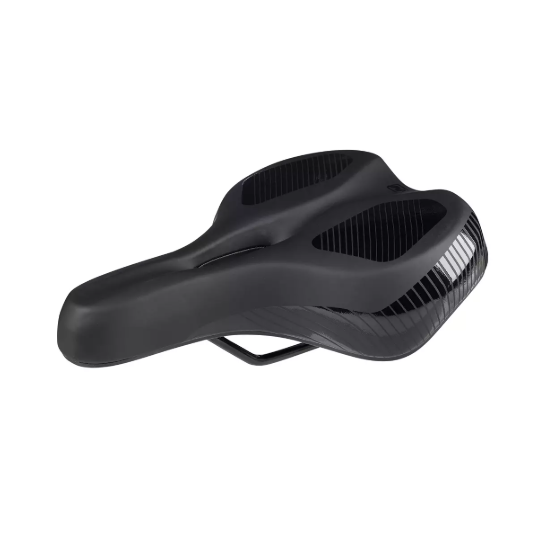
Nishiki Bike Saddle – L
- Ergonomically shaped
- Wide base
- Foam cushioning
- Center cut zone
Discover why Nishiki bicycle seats have become the go-to choice for cyclists seeking the perfect balance of comfort, durability, and value
The right bicycle seat can transform your cycling experience from a painful endurance test into pure joy on two wheels. When it comes to finding that perfect balance of comfort, quality, and affordability, Nishiki bicycle seats have earned their reputation as reliable companions for cyclists of all levels. Whether you’re embarking on a leisurely neighborhood ride or tackling challenging mountain trails, understanding what makes these seats special can help you make an informed decision that will enhance every mile of your journey.
Nishiki, a brand with deep roots in cycling history, has consistently delivered products that understand the fundamental needs of cyclists. Their bicycle seats represent years of engineering refinement, incorporating feedback from real riders who demand both performance and comfort. In this comprehensive guide, we’ll explore everything you need to know about Nishiki bicycle seats, from their construction and compatibility to installation tips and performance comparisons.
Understanding the Appeal of Nishiki Bicycle Seats
The cycling world is filled with countless seat options, each promising to be the solution to every rider’s comfort woes. What sets Nishiki bicycle seats apart is their practical approach to design and manufacturing. Rather than chasing the latest trends or gimmicks, Nishiki focuses on proven technologies and materials that deliver consistent results across diverse riding conditions.
Nishiki bicycle seats are engineered with the understanding that comfort isn’t just about padding. True comfort comes from proper support, appropriate pressure distribution, and materials that respond to the rider’s needs throughout different stages of a ride. This philosophy is evident in every aspect of their seat design, from the carefully shaped profiles to the strategic placement of padding and ventilation channels.
The brand’s commitment to quality extends beyond just the finished product. Nishiki’s manufacturing process emphasizes consistency and durability, ensuring that each seat meets the same high standards regardless of where it’s produced. This attention to detail has made Nishiki bicycle seats a trusted choice for cyclists who value reliability and long-term performance.
Materials and Construction: The Foundation of Comfort
When examining what makes Nishiki bicycle seats effective, the materials and construction methods stand out as key differentiators. The foundation of any quality bicycle seat begins with the base, and Nishiki typically employs high-grade plastics and composite materials that provide the necessary flexibility while maintaining structural integrity under stress.
The padding used in Nishiki bicycle seats varies depending on the intended use and price point, but the brand consistently uses materials that maintain their shape and cushioning properties over time. Many models feature dual-density foam construction, where firmer foam provides structural support while softer foam layers offer immediate comfort. This layered approach prevents the common problem of seats that feel comfortable initially but become uncomfortable as the padding compresses and loses its effectiveness.
Nishiki bicycle seats often incorporate gel inserts in strategic locations, particularly in models designed for longer rides or comfort-focused cycling. These gel inserts work in conjunction with the foam padding to create pressure relief zones that adapt to the rider’s anatomy. The gel material used by Nishiki is formulated to maintain its properties across a wide temperature range, ensuring consistent performance whether you’re riding in hot summer conditions or cooler weather.
The cover materials used on Nishiki bicycle seats are selected for their durability, weather resistance, and comfort against the skin. Many models feature synthetic leather covers that provide the feel and appearance of traditional leather while offering superior weather resistance and easier maintenance. These covers are designed to resist cracking, fading, and wear, even under challenging outdoor conditions.
The Best Nishiki Bicycle Seats for Different Riding Styles
Choosing the right Nishiki bicycle seat depends largely on your riding style, bike type, and personal preferences. For comfort-focused recreational riding, Nishiki offers several models that prioritize padding and pressure relief. These seats typically feature wider profiles, generous gel padding, and softer cover materials that make them ideal for casual rides around town or longer touring adventures.
Mountain biking demands different characteristics from a bicycle seat, and Nishiki bicycle seats designed for off-road use reflect these requirements. These models tend to be narrower and firmer, allowing for better bike control and reducing the risk of chafing during dynamic riding. The covers are often more robust, designed to withstand the inevitable contact with branches, rocks, and other trail obstacles.
For road cycling enthusiasts, Nishiki bicycle seats offer models that balance weight savings with necessary comfort. These seats typically feature streamlined profiles that complement the aerodynamic riding position common in road cycling while still providing adequate support for longer rides. The padding is strategically placed to support the sit bones while avoiding unnecessary bulk that could interfere with pedaling efficiency.
Hybrid bike riders, who often switch between different riding styles and terrains, benefit from Nishiki bicycle seats that offer versatile performance. These seats typically feature moderate padding, versatile shapes that work well in various riding positions, and durable construction that can handle the varied demands of multi-purpose cycling.
Installation and Compatibility: Making the Switch
One of the practical advantages of Nishiki bicycle seats is their broad compatibility with standard bicycle seat posts and rails. Most models use the universal rail system that works with the vast majority of seat posts, making installation straightforward regardless of your bike’s brand or age.
Installing a new Nishiki bicycle seat typically requires only basic tools and can be completed in a few minutes. The process begins with loosening the clamp mechanism on your seat post, removing the old seat, and positioning the new Nishiki seat at the appropriate angle and fore-aft position. The key to proper installation is taking time to adjust the seat position correctly, as even the most comfortable seat can become problematic if positioned incorrectly.
Nishiki bicycle seats are designed to work with both modern and older bike models, making them an excellent choice for riders looking to upgrade seats on vintage or budget bicycles. The standard rail dimensions and mounting hardware ensure compatibility across a wide range of seat post designs, from basic steel posts to advanced carbon fiber models.
When replacing an existing seat with a Nishiki bicycle seat, it’s important to consider any differences in shape or padding that might affect your riding position. Some riders find that switching to a different seat design requires a brief adjustment period as they become accustomed to the new support characteristics.
Performance on Long Rides: Endurance and Comfort
The true test of any bicycle seat comes during extended rides, where minor discomforts can evolve into significant problems. Nishiki bicycle seats have built their reputation partly on their ability to maintain comfort over long distances, thanks to thoughtful design features that address common issues faced during endurance cycling.
Pressure relief is a critical factor in long-ride comfort, and many Nishiki bicycle seats incorporate design elements specifically aimed at reducing pressure on sensitive areas. These may include cutouts, grooves, or strategically softened zones that allow for better blood flow and reduced numbness. The effectiveness of these features varies among individuals, but many riders report significant improvements in comfort during longer rides.
The materials used in Nishiki bicycle seats are selected not just for initial comfort, but for their ability to maintain their properties throughout extended use. The padding materials resist compression and heat buildup, while the cover materials remain comfortable against the skin even as perspiration increases. This consistency in performance is what allows many riders to complete century rides and multi-day tours without the seat discomfort that might otherwise force them to cut their rides short.
Ventilation is another important consideration for long rides, and Nishiki bicycle seats often incorporate design features that promote airflow. These may include perforations in the cover material, channels in the padding, or overall shapes that reduce surface contact area. While these features may seem minor, they can make a significant difference in comfort during hot weather or intense riding sessions.
Durability and Longevity: Built to Last
One of the standout characteristics of Nishiki bicycle seats is their emphasis on durability without sacrificing comfort. The brand understands that cyclists want seats that will provide consistent performance over thousands of miles and multiple seasons of use. This focus on longevity is evident in every aspect of their construction, from the materials selected to the manufacturing processes employed.
The rail systems used on Nishiki bicycle seats are designed to withstand the stresses of regular use, including the forces generated during aggressive riding and the gradual wear that comes from constant adjustment and repositioning. Most models use steel rails that provide excellent strength and durability, while some higher-end models may feature lightweight alloy options that maintain strength while reducing overall weight.
Weather resistance is a crucial factor in seat longevity, and Nishiki bicycle seats are designed to handle exposure to rain, sun, and temperature extremes. The cover materials resist UV degradation and water penetration, while the internal padding materials maintain their properties even after repeated wet-dry cycles. This weather resistance means that riders don’t need to worry about covering their seats or bringing their bikes indoors during every weather event.
The stitching and assembly methods used in Nishiki bicycle seats are designed to prevent premature failure at stress points. Reinforced stitching at high-wear areas and quality control processes that catch potential defects before they reach consumers help ensure that these seats provide reliable service over their intended lifespan.
Price Range and Value Proposition
Understanding the price range of Nishiki bicycle seats helps riders make informed decisions based on their budget and performance requirements. The brand offers options across multiple price points, from budget-friendly models that provide basic comfort and functionality to premium options that incorporate advanced materials and design features.
Entry-level Nishiki bicycle seats typically focus on providing solid basic performance at an accessible price point. These seats may feature simpler padding systems and standard cover materials, but they still maintain the quality construction and attention to detail that characterizes the brand. For casual riders or those on tight budgets, these options provide excellent value without compromising on essential comfort and durability.
Mid-range Nishiki bicycle seats often represent the sweet spot for many cyclists, offering enhanced comfort features, better materials, and more refined designs without reaching premium pricing. These seats might include gel inserts, improved ventilation, or specialized padding configurations that address specific comfort concerns. The price increase over entry-level models is typically justified by noticeable improvements in comfort and durability.
Premium Nishiki bicycle seats incorporate the latest materials and design technologies, often featuring advanced padding systems, high-grade cover materials, and specialized shapes optimized for specific riding styles. While these seats command higher prices, they often provide the best long-term value for serious cyclists who log significant miles and demand the highest levels of comfort and performance.
Gender-Specific Design Considerations
The cycling industry has increasingly recognized that effective seat design must account for anatomical differences between riders, and Nishiki bicycle seats include options specifically designed to address these variations. Women-specific models typically feature different width profiles, padding distributions, and cutout configurations that better accommodate female anatomy.
Nishiki bicycle seats designed for women often incorporate wider rear sections to better support the typically wider pelvic structure, while maintaining appropriate narrow sections that don’t interfere with pedaling efficiency. The padding distribution may be adjusted to provide more support in areas where women typically experience pressure, while reducing bulk in areas where it’s not needed.
The effectiveness of gender-specific seat designs varies significantly among individuals, as anatomical variations exist within any demographic group. Some women find that women-specific Nishiki bicycle seats provide immediate and noticeable comfort improvements, while others may find that unisex or even men’s models work better for their particular anatomy and riding style.
Color and aesthetic options for women-specific Nishiki bicycle seats often expand beyond the traditional black that dominates cycling components. These seats may be available in colors and patterns that complement women’s bikes or personal style preferences, allowing riders to coordinate their equipment while enjoying improved comfort.
Maintenance and Care for Optimal Performance
Proper maintenance can significantly extend the life and performance of Nishiki bicycle seats, ensuring that they continue to provide comfortable service over many years of use. Regular cleaning helps prevent the buildup of dirt, sweat, and other contaminants that can degrade materials and reduce comfort over time.
Cleaning Nishiki bicycle seats typically requires only mild soap and water, applied with a soft cloth or sponge. Harsh chemicals, abrasive cleaners, and high-pressure water should be avoided, as these can damage the cover materials or force contaminants into the seat’s internal structure. After cleaning, allowing the seat to air dry completely helps prevent moisture-related problems.
Periodic inspection of Nishiki bicycle seats can help identify potential issues before they become serious problems. Checking for loose rails, damaged covers, or compressed padding allows riders to address minor issues through adjustment or professional repair rather than complete replacement.
Storage considerations also affect the longevity of Nishiki bicycle seats. When bikes are stored for extended periods, protecting seats from extreme temperatures, direct sunlight, and moisture helps preserve the materials and extend their useful life. Simple seat covers or indoor storage can make a significant difference in how well seats age over time.
Comparing Nishiki to Other Bicycle Seat Brands
In the competitive bicycle seat market, Nishiki bicycle seats occupy a unique position that balances quality, comfort, and value. Compared to premium boutique brands, Nishiki seats typically offer similar performance characteristics at more accessible price points. While they may not incorporate the very latest materials or most exotic construction techniques, they consistently deliver reliable performance that meets the needs of most cyclists.
When compared to budget brands, Nishiki bicycle seats generally demonstrate superior materials, construction quality, and attention to detail. The difference in durability and long-term comfort often justifies the modest price premium, particularly for riders who use their bikes regularly or for extended periods.
Nishiki bicycle seats compete effectively with other established brands in the mid-market segment, often offering comparable or superior features at competitive prices. The brand’s focus on practical performance rather than marketing gimmicks tends to appeal to cyclists who prioritize substance over style, though the seats are certainly not lacking in aesthetic appeal.
The warranty and customer support associated with Nishiki bicycle seats typically reflects the brand’s confidence in their products. While specific terms may vary, the brand generally stands behind their products and works to address legitimate concerns from customers who experience problems with their seats.
Special Features and Technologies
Modern Nishiki bicycle seats incorporate various technologies and design features aimed at enhancing comfort, performance, and durability. Understanding these features helps riders select seats that best match their specific needs and preferences.
Pressure relief technologies in Nishiki bicycle seats may include strategic cutouts, grooves, or specialized padding arrangements designed to reduce pressure on sensitive areas. These features are particularly beneficial for riders who experience numbness or discomfort during longer rides, though the effectiveness varies based on individual anatomy and riding position.
Ventilation features in Nishiki bicycle seats help manage heat and moisture buildup during intense riding or hot weather conditions. These may include perforated covers, channeled padding, or overall shapes that promote airflow. While these features may seem subtle, they can significantly impact comfort during challenging riding conditions.
Some Nishiki bicycle seats incorporate suspension or flex technologies that help absorb road vibrations and impacts. These features can be particularly beneficial for riders on rough roads or those with bikes that don’t include other suspension elements. The suspension may be built into the rail system, incorporated into the seat base, or achieved through specialized padding materials.
Choosing the Right Nishiki Bicycle Seat for Your Needs
Selecting the optimal Nishiki bicycle seat requires consideration of multiple factors including riding style, bike type, personal anatomy, and performance priorities. The process begins with honestly assessing your current seat’s performance and identifying specific areas where improvement is needed.
Riding position plays a crucial role in seat selection, as different positions place varying demands on seat design. Upright riding positions, common on comfort and hybrid bikes, typically benefit from wider Nishiki bicycle seats with generous padding. More aggressive positions, found on road and mountain bikes, often work better with narrower, firmer seats that don’t interfere with pedaling efficiency.
The distance and duration of typical rides influence the appropriate level of padding and support features. Casual riders who take shorter, leisurely rides may prioritize immediate comfort and soft padding, while endurance cyclists often benefit from firmer seats that provide consistent support over many hours in the saddle.
Personal anatomy considerations include sit bone width, flexibility, and any specific comfort issues experienced with previous seats. Nishiki bicycle seats are available in various widths and shapes to accommodate different anatomical requirements, and taking time to measure sit bone width can help narrow down appropriate options.
Installation Tips and Best Practices
Proper installation of Nishiki bicycle seats is crucial for achieving optimal comfort and performance. The process involves more than simply bolting the seat to the post; careful attention to positioning and adjustment can make the difference between a comfortable ride and an uncomfortable experience.
Begin the installation process by setting the seat height to match your previous setup or following established guidelines for proper leg extension. The seat should be positioned so that when the pedal is at its lowest point, your leg has a slight bend at the knee. This positioning affects not only pedaling efficiency but also how weight is distributed on the seat.
Fore-aft positioning of Nishiki bicycle seats affects both comfort and bike handling. A general starting point is to position the seat so that when the pedals are horizontal, a vertical line from your forward kneecap passes through the pedal axle. Fine-tuning this position may be necessary based on your flexibility, riding style, and comfort preferences.
Seat angle adjustment is often overlooked but critical for comfort. Nishiki bicycle seats should typically be positioned level or with a slight downward tilt at the nose. Excessive upward tilt can create pressure points, while too much downward tilt can cause sliding and instability. Small adjustments of just a degree or two can significantly impact comfort.
The Future of Nishiki Bicycle Seats
As cycling technology continues to evolve, Nishiki bicycle seats are likely to incorporate new materials and design innovations that further enhance comfort and performance. Advances in foam technology, gel formulations, and cover materials promise to deliver even better combinations of comfort, durability, and weather resistance.
Sustainability considerations are increasingly important in product development, and future Nishiki bicycle seats may incorporate more environmentally friendly materials and manufacturing processes. This could include recycled materials, bio-based foams, or design features that facilitate end-of-life recycling.
Customization technologies may allow future Nishiki bicycle seats to be tailored more precisely to individual rider needs. This could include adjustable padding densities, modular design elements, or even smart materials that adapt to changing conditions during a ride.
The integration of technology features, while not currently a focus for Nishiki bicycle seats, could become more relevant as cycling becomes increasingly connected. This might include sensors for monitoring riding position, pressure distribution feedback, or integration with other bike systems.
Conclusion: Making the Right Choice
Nishiki bicycle seats represent a compelling option for cyclists seeking reliable comfort, quality construction, and good value. The brand’s focus on practical performance over flashy marketing ensures that riders get seats that deliver where it matters most: on the road or trail.
Whether you’re a casual rider looking for weekend comfort, a commuter needing daily reliability, or an enthusiast pursuing longer adventures, Nishiki bicycle seats offer options that can enhance your cycling experience. The key lies in matching the right seat to your specific needs, taking into account your riding style, bike type, and personal preferences.
The investment in a quality Nishiki bicycle seat pays dividends in improved comfort, enhanced enjoyment of your rides, and the confidence that comes from reliable equipment. As you consider your options, remember that the best seat is the one that disappears beneath you, allowing you to focus on the joy of cycling rather than discomfort or distraction.
In the end, Nishiki bicycle seats represent more than just another bike component; they’re an investment in your cycling comfort and enjoyment. Choose wisely, install carefully, and prepare to discover how the right seat can transform your relationship with your bicycle and your love of cycling.