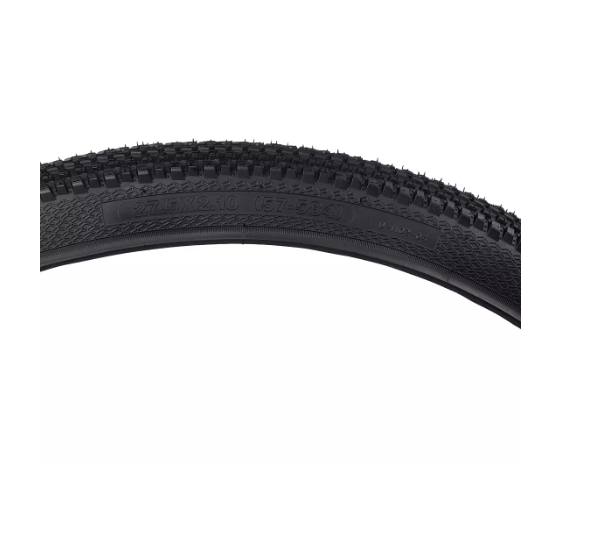
Nishiki Knobby Mountain 27.5” x 2.10” Bike Tire
- High-traction thread pattern
- Designed for pavement or trail riding
- Steel bead wire
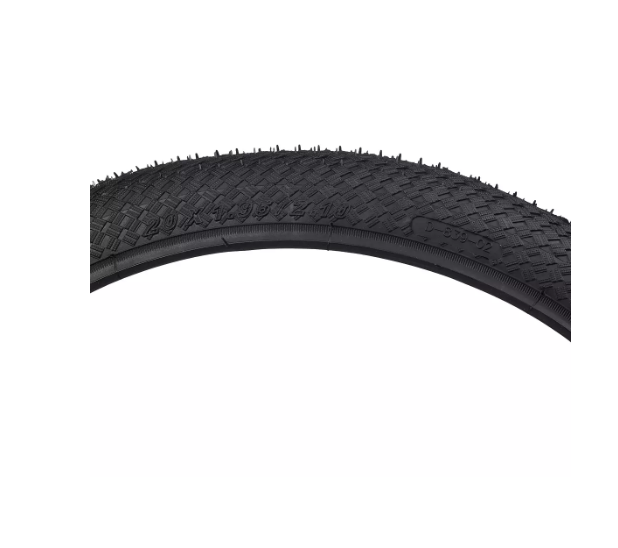
Nishiki Mountain 20” x 2.0” Bike Tire
- High-traction tread pattern
- Designed for pavement or trail riding
- Puncture-resistant rubber
From Worn-Out Wheels to Road-Ready Rides: Everything You Need to Know About Upgrading Your Nishiki
Picture this: you’re cruising down your favorite trail on your trusty Nishiki, the wind in your hair and not a care in the world, when suddenly you hear that dreaded wobble. Your wheel has seen better days, and it’s time for a replacement. Don’t panic – Nishiki bike wheel replacement doesn’t have to be a daunting task that sends you spiraling into bike shop anxiety.
Whether you’re dealing with a bent rim from that unfortunate encounter with a pothole, worn-out bearings that sound like a washing machine on its last legs, or you simply want to upgrade to something that’ll make your bike feel like it just rolled off the showroom floor, this comprehensive guide will walk you through everything you need to know about replacing your Nishiki bike wheels.
Nishiki has been a beloved name in cycling for decades, offering reliable bikes that have carried countless riders through urban commutes, weekend adventures, and everything in between. But even the most dependable wheels eventually need replacing, and when that time comes, you’ll want to make sure you’re making the right choices for your specific riding style and budget.
Understanding When Your Nishiki Wheels Need Replacement
Before diving into the replacement process, it’s crucial to recognize when your Nishiki bike wheel replacement is actually necessary. Not every wobble or squeak means you need new wheels – sometimes a simple adjustment or tune-up can breathe new life into your existing setup.
The most obvious sign that replacement is needed is visible damage to the rim. If you notice cracks, dents that can’t be straightened, or severe wear on the braking surface (for rim brake wheels), it’s time to start shopping. A cracked rim isn’t just inconvenient – it’s genuinely dangerous and could fail catastrophically while you’re riding.
Another telltale sign is when your wheel won’t stay true no matter how many times you adjust the spokes. If you find yourself constantly tweaking spoke tension only to have the wheel go wobbly again within a few rides, the rim may be permanently warped or the hub may be worn beyond repair. This is particularly common in older Nishiki models that have seen heavy use over the years.
Hub issues are often more subtle but equally important. If you hear grinding or clicking noises when you spin the wheel, or if there’s noticeable play when you wiggle the wheel side to side, the hub bearings may be shot. While hub bearings can sometimes be replaced, on lower-end wheels it’s often more cost-effective to replace the entire wheel.
Don’t overlook the spokes either. Broken spokes are an obvious problem, but even if the spokes are intact, look for signs of corrosion, fatigue, or uneven tension. If multiple spokes have loosened or broken over time, the wheel’s structural integrity may be compromised even if it still rolls.
Determining Compatible Wheel Sizes for Your Nishiki
One of the most critical aspects of Nishiki bike wheel replacement is ensuring you get the right size. Nishiki has produced bikes across multiple categories over the years, from road bikes to mountain bikes to hybrids, and each category typically uses different wheel standards.
Most modern Nishiki mountain bikes use either 26-inch, 27.5-inch (also called 650B), or 29-inch wheels. The 26-inch standard was dominant for years but has largely been phased out in favor of the larger sizes. If you have an older Nishiki mountain bike, there’s a good chance it uses 26-inch wheels, while newer models are more likely to use 27.5-inch or 29-inch wheels.
Nishiki road bikes typically use 700c wheels, which is the standard for most adult road and hybrid bikes. Some older road bikes might use 27-inch wheels, but these are much less common and can be harder to find replacements for.
The easiest way to determine your wheel size is to look at the sidewall of your current tire. The size will be printed there in a format like “26 x 2.1” for mountain bikes or “700 x 25c” for road bikes. If the tire is too worn to read, you can measure the diameter of the wheel itself, though this requires a bit more precision and knowledge of how wheel sizes are measured.
Beyond diameter, you also need to consider the width of the rim and the type of brake system your bike uses. Rim brake wheels have a smooth braking surface on the rim sidewall, while disc brake wheels don’t need this feature and often have a slightly different spoke pattern to handle the different stress patterns.
Where to Source Your Replacement Wheels
Finding the right replacement wheels for your Nishiki can feel overwhelming given the sheer number of options available. While Nishiki doesn’t typically sell wheels directly to consumers, there are several excellent sources for compatible replacements.
Local bike shops are often your best bet for Nishiki bike wheel replacement. The staff can help ensure you get exactly what you need, and many shops will install the wheels for you. They can also handle any necessary adjustments to brakes or derailleurs that might be needed with new wheels. The downside is that local shops may have limited inventory and prices tend to be higher than online retailers.
Online retailers like Amazon, eBay, and specialized cycling websites offer a much wider selection and often better prices. However, you’ll need to be confident about compatibility before ordering, and you’ll likely need to handle installation yourself or take the wheels to a shop for mounting.
Specialized wheel manufacturers like Mavic, DT Swiss, and Sun Ringle make high-quality wheels that are compatible with most Nishiki bikes. These manufacturers often offer wheels at various price points, from budget-friendly options to high-end performance wheels.
Don’t overlook the used market either. Many cyclists upgrade their wheels and sell their old ones, which can be a great way to get quality wheels at a fraction of the cost of new ones. Just be sure to inspect used wheels carefully for damage and wear before purchasing.
The Economics of Wheel Replacement
The cost of Nishiki bike wheel replacement varies dramatically depending on your needs and budget. At the low end, you can find basic replacement wheels for around $50-$100 per wheel. These budget options will get you rolling again but don’t expect premium performance or exceptional durability.
Mid-range wheels typically cost between $150-$400 per wheel and offer a good balance of performance, durability, and value. These wheels often feature better hubs with sealed bearings, stronger rims, and higher-quality spokes. For most recreational riders, mid-range wheels provide excellent performance without breaking the bank.
High-end wheels can cost $500-$1500 or more per wheel. These premium options feature the latest materials and technology, including carbon fiber construction, advanced aerodynamics, and ultra-lightweight designs. Unless you’re a serious competitive cyclist or have money to burn, these expensive wheels are probably overkill for most Nishiki bikes.
When budgeting for wheel replacement, don’t forget about additional costs. You may need new tires, tubes, rim tape, and possibly a new cassette or freewheel if you’re replacing the rear wheel. Installation costs at a bike shop typically run $20-$50 per wheel, though this can vary significantly by location and shop.
Consider whether you need to replace one wheel or both. While it’s often more cost-effective to buy a matched pair, if only one wheel is damaged and the other is in good condition, replacing just the damaged wheel can save money. However, be aware that mixing different wheel types can sometimes cause handling issues, particularly on road bikes where aerodynamics matter.
Individual vs. Pair Purchasing
The question of whether to buy wheels individually or in pairs for your Nishiki bike wheel replacement depends on your specific situation and long-term plans. Most manufacturers offer wheels both individually and in sets, giving you flexibility in how you approach the replacement.
Buying a complete wheelset (both front and rear) is often the most economical option when comparing per-wheel costs. Manufacturers typically offer significant discounts when you buy both wheels together, and you’re guaranteed that the wheels will match in terms of performance characteristics and appearance.
A complete wheelset also ensures optimal bike handling. When both wheels have the same weight, stiffness, and aerodynamic properties, your bike will handle predictably and feel balanced. This is particularly important for road bikes and performance-oriented mountain bikes where handling precision matters.
However, individual wheel replacement makes perfect sense when only one wheel is damaged or worn out. If your front wheel is in excellent condition but your rear wheel has a broken spoke or damaged rim, there’s no need to replace both. This approach can save you $100-$300 or more, depending on the wheel quality you choose.
Keep in mind that if you replace only one wheel, you may need to replace the other sooner than expected. Wheels wear at different rates – rear wheels typically experience more stress and wear faster than front wheels – but having mismatched wheels with different ages and wear patterns can sometimes create handling issues.
Essential Tools for DIY Wheel Replacement
While you can certainly take your bike to a shop for Nishiki bike wheel replacement, many cyclists prefer to handle the job themselves. It’s not particularly difficult, and having the right tools makes the process much smoother.
The most essential tool is a good set of tire levers for removing and installing tires. Even if your new wheels come with tires already mounted, you’ll likely need to remove the old tires from your original wheels and possibly swap them to the new wheels.
You’ll need appropriate wrenches or Allen keys to remove the wheel from the bike. Most modern bikes use either quick-release skewers or thru-axles. Quick-release wheels can be removed by hand, but thru-axles require specific Allen keys or other tools depending on the design.
If you’re working on the rear wheel of a bike with a derailleur, you’ll want to familiarize yourself with how the derailleur and chain interact with wheel removal. It’s not complicated, but it can be intimidating the first time. The key is to shift into the smallest cog before removing the wheel, which puts the least tension on the derailleur.
A bike stand or way to securely hold your bike while you work makes the job much easier, though it’s not absolutely necessary. You can flip the bike upside down, though this risks scratching the saddle and handlebars.
Don’t forget about pump and tire pressure gauge. New wheels often come with tires that aren’t properly inflated, and proper tire pressure is crucial for both performance and safety.
Tubeless-Ready Options for Nishiki Bikes
The cycling world has increasingly embraced tubeless tire technology, and many riders wonder about tubeless compatibility when considering Nishiki bike wheel replacement. Tubeless-ready wheels allow you to run tires without inner tubes, using sealant to prevent and repair small punctures automatically.
Most modern replacement wheels are available in tubeless-ready versions, even at budget price points. These wheels feature rims designed to create an airtight seal with tubeless tires and often include the necessary rim tape and valves to get you started with tubeless setup.
The benefits of tubeless are significant: reduced weight (no tubes), lower rolling resistance, improved traction (you can run lower pressures), and automatic puncture sealing for small holes. However, tubeless setup can be more complex than traditional tube tires, and not all riders want to deal with the learning curve and maintenance requirements.
If your Nishiki currently uses traditional tube tires and you’re happy with that setup, there’s no need to switch to tubeless just because you’re replacing wheels. Tubeless-ready wheels work perfectly fine with traditional tubes and tires. However, if you’re interested in trying tubeless technology, wheel replacement is the perfect time to make the switch.
Keep in mind that tubeless conversion requires compatible tires in addition to compatible wheels. You’ll also need tubeless sealant, special rim tape, and tubeless valves if they’re not included with your wheels.
Generic vs. Brand-Specific Wheel Options
When shopping for Nishiki bike wheel replacement, you’ll encounter both brand-specific options marketed specifically for Nishiki bikes and generic wheels that are compatible but not brand-specific. Understanding the differences can help you make the best choice for your needs and budget.
Generic wheels are typically more affordable and offer wider selection. Since wheel standards are largely universal within each category (mountain bike, road bike, etc.), a generic 29-inch mountain bike wheel will work just as well on a Nishiki as on any other bike with the same specifications.
The key is ensuring compatibility with your specific bike’s requirements: brake type (rim or disc), axle type (quick-release or thru-axle), and freehub compatibility (if replacing the rear wheel). As long as these specifications match, generic wheels are an excellent option.
Brand-specific wheels marketed for Nishiki are often just rebranded generic wheels with Nishiki logos or colors. While there’s nothing wrong with these wheels, you’re typically paying a premium for the brand association without getting superior performance.
However, some Nishiki-specific wheels are designed to match the aesthetic and performance characteristics of specific bike models. If maintaining the original look and feel of your bike is important to you, brand-specific options might be worth the extra cost.
The most important factor isn’t the brand name on the wheel, but the quality of the components: the rim material and construction, hub quality and bearing type, spoke material and count, and overall build quality.
Choosing the Right Wheels for Mountain Bike Applications
Nishiki mountain bikes have specific requirements that differ from road or hybrid bikes, making Nishiki bike wheel replacement for mountain applications unique. Mountain bike wheels need to handle impacts, debris, and varying terrain while maintaining performance across a wide range of conditions.
Rim width is crucial for mountain bike wheels. Wider rims provide better tire support, improved traction, and increased durability, but they also add weight. For cross-country riding, rims in the 25-30mm internal width range offer a good balance of performance and weight. For more aggressive trail riding or downhill applications, wider rims in the 30-35mm range provide better tire support and durability.
Spoke count matters more for mountain bikes than road bikes due to the higher stresses involved. While road wheels often use 20-24 spokes, mountain bike wheels typically use 28-32 spokes for better strength and durability. If you’re a heavier rider or ride particularly aggressive terrain, consider wheels with 32 spokes for maximum strength.
Hub quality is particularly important for mountain bike applications. Look for hubs with sealed bearings that can handle mud, water, and debris. The engagement mechanism should be reliable and offer quick engagement when you need to apply power suddenly, such as when climbing technical terrain or navigating obstacles.
Consider the intended use when selecting mountain bike wheels. Cross-country wheels prioritize light weight and efficiency, while trail and enduro wheels emphasize durability and strength. Downhill wheels are built to handle extreme impacts and loads but are much heavier than other options.
Tire Compatibility and Sizing
Understanding tire compatibility is essential for successful Nishiki bike wheel replacement. The relationship between wheels and tires is more complex than simply matching diameters, and getting it wrong can result in poor performance or safety issues.
Rim width directly affects tire performance and compatibility. Modern mountain bike rims are significantly wider than older designs, which changes how tires behave. A tire designed for a narrow rim won’t perform optimally on a wide rim, and vice versa. Most tire manufacturers provide rim width recommendations for their tires.
For mountain bikes, the trend toward wider rims has been dramatic. Where 19mm internal width was once standard, 25-30mm is now common, with some applications using even wider rims. This affects tire shape and performance significantly.
Road and hybrid bike tire compatibility is generally more straightforward, but rim width still matters. Modern road wheels often use wider rims to better support wider tires, which have become popular for their improved comfort and rolling resistance.
When replacing wheels, you may be able to upgrade to wider tires than your current setup allows. Wider tires generally provide better traction, comfort, and puncture resistance, though they may increase rolling resistance slightly.
Check your bike frame for tire clearance before upgrading to significantly wider tires. The chainstays, seat tube, and fork all limit maximum tire width, and what fits on the wheel may not fit in your frame.
Durability Considerations for Different Riding Styles
The durability requirements for Nishiki bike wheel replacement vary dramatically depending on how and where you ride. Understanding your riding style and choosing wheels appropriate for your needs will ensure you get the performance and longevity you expect.
Casual recreational riders who stick to paved paths and light trails can get away with lighter, less expensive wheels. These riders typically don’t subject their wheels to extreme stresses, so prioritizing weight savings and affordability over maximum durability makes sense.
Commuters who ride daily, often in varying weather conditions, need wheels that can handle consistent use and exposure to road debris, salt, and moisture. Look for wheels with sealed bearings and corrosion-resistant materials. Durability matters more than absolute performance for commuting applications.
Serious mountain bikers who tackle technical terrain, drops, and rocky trails need wheels built for punishment. These applications require stronger rims, more spokes, and robust hubs that can handle impacts and high loads. The extra weight is worth it for the added durability and reliability.
Road cyclists focused on performance may prioritize aerodynamics and weight over ultimate durability, accepting that their wheels may need more frequent maintenance or replacement in exchange for better performance.
Consider your weight as a rider too. Heavier riders put more stress on wheels and should generally choose more robust options with higher spoke counts and stronger rims, regardless of riding style.
Rear Wheel Installation Specifics
Installing a new rear wheel during Nishiki bike wheel replacement is slightly more complex than front wheel installation due to the drivetrain components. However, with proper technique, it’s still well within the capabilities of most home mechanics.
Start by shifting your bike into the smallest cog (highest gear) before removing the old wheel. This position puts the least tension on the derailleur and makes wheel removal and installation much easier. The chain should be on the smallest cog at the back and the smallest or middle chainring in front.
When removing the old wheel, you’ll need to work around the derailleur and chain. Most modern bikes allow you to remove the rear wheel without breaking the chain, but you need to understand how the derailleur moves to accommodate wheel removal.
Pull the derailleur back and down to create clearance for the wheel to drop out. The exact technique varies by derailleur type, but the principle is the same: create clearance by moving the derailleur out of the way.
Installing the new wheel is essentially the reverse process. Make sure the wheel is fully seated in the dropouts and that the quick-release or thru-axle is properly tightened. The wheel should spin freely without rubbing on the brake pads or derailleur.
After installation, check that the derailleur shifting still works properly. You may need minor adjustments if the new wheel positions the cassette slightly differently than the old wheel.
Quick-Release vs. Thru-Axle Systems
Modern Nishiki bikes may use either quick-release or thru-axle systems for wheel attachment, and understanding the difference is important for Nishiki bike wheel replacement. Each system has its own advantages and requirements.
Quick-release systems use a hollow axle with a skewer that passes through it. A lever mechanism provides the clamping force to hold the wheel in place. Quick-release systems are convenient and allow tool-free wheel removal, making them popular for road bikes and older mountain bikes.
Thru-axle systems use a solid axle that threads directly into the frame or fork. These systems provide increased stiffness and more precise wheel positioning, which improves handling and brake performance. Most modern mountain bikes and many road bikes now use thru-axle systems.
The two systems are not interchangeable without changing other components. If your Nishiki currently has quick-release wheels, you need to buy quick-release replacement wheels unless you want to upgrade the entire system, which typically requires new hubs or complete wheels plus potentially new frames or forks.
Thru-axles come in several different diameters and thread pitches, so you need to know exactly what your bike uses. Common sizes include 12x100mm for front wheels and 12x142mm for rear wheels, but other sizes exist.
When shopping for replacement wheels, pay careful attention to the axle type specification. This information should be clearly listed in the product description, and getting it wrong means the wheel won’t fit your bike.
Carbon Fiber Upgrade Options
Many cyclists consider upgrading to carbon fiber wheels during Nishiki bike wheel replacement, attracted by the weight savings and performance benefits. However, carbon wheels require careful consideration to ensure they’re appropriate for your bike and riding style.
Carbon fiber wheels offer significant weight savings compared to aluminum wheels, particularly in larger sizes like 29-inch mountain bike wheels. This weight reduction is most noticeable during acceleration and climbing, where rotational weight matters most.
Carbon wheels also offer superior stiffness-to-weight ratios, which can improve power transfer and handling precision. The material properties of carbon fiber allow wheel designers to tune flex characteristics in ways that aren’t possible with aluminum.
However, carbon wheels are significantly more expensive than aluminum alternatives, often costing 2-3 times as much for comparable quality levels. For many riders, this cost premium is difficult to justify, especially on bikes that weren’t originally high-end models.
Durability is another consideration. While modern carbon wheels are quite robust, they’re generally less tolerant of impacts than aluminum wheels. A hit that might dent an aluminum rim could crack a carbon rim, requiring complete replacement.
Carbon wheels also require compatible brake pads if your bike uses rim brakes. Carbon-specific brake pads are necessary for proper braking performance and to avoid damaging the rim surface.
Hybrid Bike Wheel Considerations
Nishiki hybrid bikes present unique challenges for Nishiki bike wheel replacement because they bridge the gap between road and mountain bike designs. These versatile bikes often use wheel standards borrowed from both categories, requiring careful attention to compatibility.
Most Nishiki hybrid bikes use 700c wheels, the same size as road bikes, but with wider rims and tires than typical road applications. This combination provides a good balance of rolling efficiency and comfort for mixed-surface riding.
Hybrid bikes may use either rim brakes or disc brakes, which affects wheel choice significantly. Make sure you know which brake system your bike uses before shopping for replacement wheels. Disc brake wheels have different hub designs and don’t require the smooth braking surface that rim brake wheels need.
Tire clearance is often more generous on hybrid bikes than road bikes, allowing for wider tires that provide better comfort and traction on varied surfaces. When replacing wheels, consider whether you want to take advantage of this clearance to upgrade to wider tires.
The spoke count on hybrid bike wheels is typically higher than road wheels but lower than mountain bike wheels, reflecting the mixed-use nature of these bikes. 28-32 spokes is common and provides a good balance of strength and weight.
Hub spacing and axle types on hybrid bikes can vary significantly between models and years. Some use road bike standards while others use mountain bike standards. Check your specific bike’s specifications rather than making assumptions based on the hybrid category.
Wheel Truing and Alignment
Sometimes what seems like a need for Nishiki bike wheel replacement is actually just a wheel that needs truing or alignment. Understanding when wheels can be repaired versus when they need replacement can save significant money.
Wheel truing is the process of adjusting spoke tension to make the wheel spin straight without wobbling side to side or up and down. Minor wheel warping can often be corrected through truing, especially if the rim isn’t damaged and the spokes are in good condition.
Signs that a wheel might be salvageable through truing include minor wobbling that’s consistent around the wheel, slight brake rub that occurs only in certain wheel positions, and wheels that became untrue after a minor impact or after sitting unused for a long period.
However, some wheel problems can’t be fixed through truing. Cracked or severely dented rims need replacement regardless of spoke tension adjustments. Wheels with multiple broken spokes or loose spoke nipples may not hold their adjustment even after truing.
Professional wheel truing typically costs $20-$40 per wheel, making it worth trying before resorting to replacement. Many bike shops will honestly assess whether a wheel is worth repairing or if replacement is the better option.
Learning to true your own wheels is a valuable skill that can save money over time. Basic truing stands cost $50-$150, and the skill isn’t difficult to learn with practice. However, severely damaged wheels should still be handled by professionals.
Official Nishiki Replacement Parts
While Nishiki doesn’t operate traditional retail stores, the brand does support replacement parts through various channels, making Nishiki bike wheel replacement with official parts possible in many cases.
Nishiki support varies by region and the age of your bike. Newer Nishiki models sold through major retailers often have better parts support than older or discontinued models. Contact the retailer where you purchased your bike as the first step in finding official replacement parts.
Many Nishiki bikes sold in recent years were manufactured by major bike companies under licensing agreements. These bikes often use standard components that are readily available from the original manufacturers, even if they’re not specifically branded as Nishiki parts.
For older Nishiki bikes, particularly vintage models from the brand’s early years, finding exact replacement parts can be challenging. However, the standardized nature of bicycle components means that compatible parts from other manufacturers will usually work perfectly.
Online forums and vintage bike communities can be valuable resources for finding information about older Nishiki models and compatible replacement parts. These communities often have extensive knowledge about which modern components work with older bikes.
Don’t feel obligated to use only Nishiki-branded replacement parts. As long as the specifications match, wheels from any reputable manufacturer will work just as well and often offer better value and performance than brand-specific options.
Post-Replacement Maintenance
Proper maintenance after Nishiki bike wheel replacement ensures your new wheels provide years of reliable service and optimal performance. Establishing good maintenance habits from the beginning will maximize your investment in new wheels.
The first few rides on new wheels are critical for proper bedding-in. Spokes may settle and stretch slightly, requiring minor tension adjustments. Many wheel manufacturers recommend having wheels checked and re-tensioned after the first 50-100 miles of riding.
Regular cleaning is essential, especially if you ride in dirty or wet conditions. Use appropriate cleaners for your wheel materials – some cleaners that are safe for aluminum can damage carbon fiber. Clean spokes and hubs as well as rims to prevent corrosion and premature wear.
Hub maintenance varies by hub type but generally involves keeping bearings properly lubricated and adjusted. Sealed bearing hubs require less frequent maintenance than traditional cup-and-cone bearings, but they still benefit from periodic service.
Check spoke tension periodically, especially during the first few months after installation. Loose spokes can quickly lead to wheel damage and poor performance. Learning to identify loose spokes by feel or sound can help you catch problems early.
Keep an eye on rim wear if you use rim brakes. The brake track will gradually wear away with use, and eventually the rim will need replacement. Carbon rims generally wear more slowly than aluminum, but monitoring is still important for safety.
Tire pressure affects wheel performance and longevity significantly. Under-inflated tires increase rolling resistance and can damage rims through pinch flats. Over-inflation reduces traction and comfort while increasing the risk of tire failure.
Conclusion: Rolling Into the Future
Replacing the wheels on your Nishiki bike doesn’t have to be an intimidating or overwhelming process. With the right knowledge about compatibility, quality, and installation techniques, Nishiki bike wheel replacement becomes an opportunity to improve your bike’s performance and extend its useful life.
Whether you’re dealing with a catastrophic wheel failure that has you stranded, gradual wear that’s affecting performance, or you simply want to upgrade to something better, the principles remain the same. Take time to understand your bike’s specifications, consider your riding style and performance needs, set a realistic budget, and don’t be afraid to ask for help when you need it.
Remember that wheels are one of the most impactful upgrades you can make to any bike. Good wheels will make your Nishiki feel more responsive, more comfortable, and more enjoyable to ride. They’re also one of the most noticeable upgrades in terms of both performance and appearance.
The cycling industry continues to evolve rapidly, with new wheel technologies and standards emerging regularly. While this can make choosing replacement wheels seem complex, it also means there are more good options available than ever before. Whether you choose budget-friendly replacements that get you back on the road or high-end upgrades that transform your riding experience, the key is making informed decisions based on your specific needs and circumstances.
Take care of your new wheels, ride safely, and enjoy the renewed confidence that comes with reliable, properly functioning equipment. Your Nishiki – and your legs – will thank you for the investment in quality wheels that keep you rolling smoothly down whatever path lies ahead.