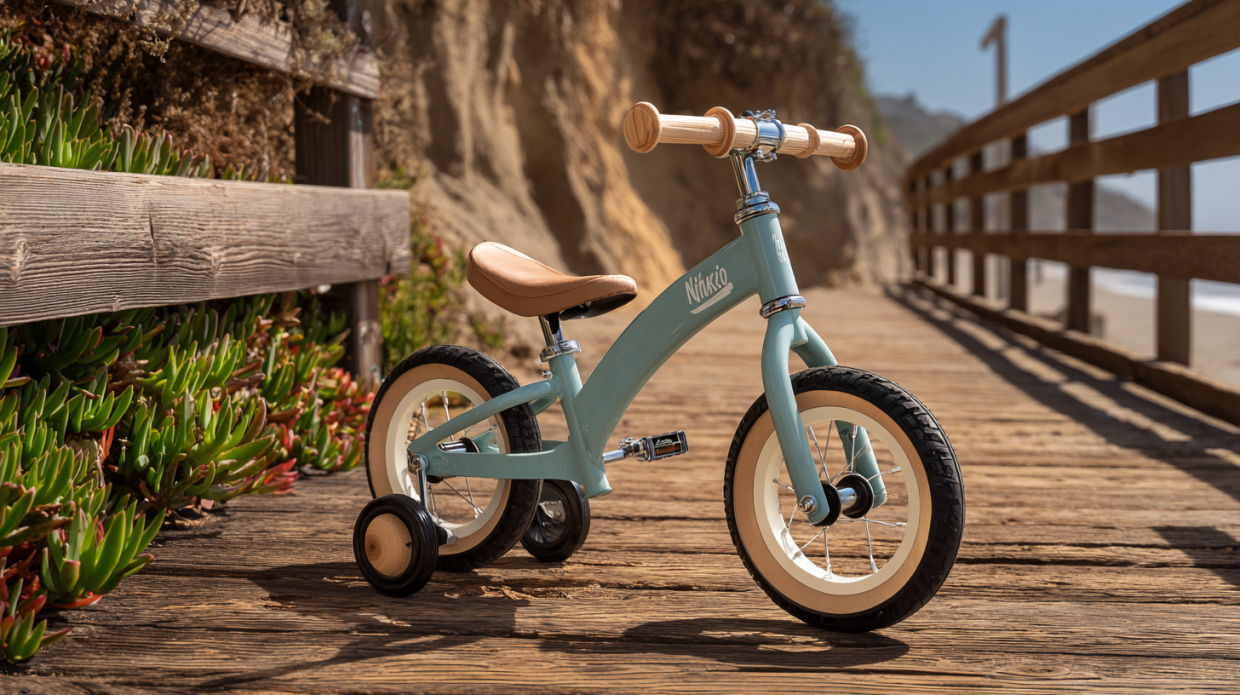
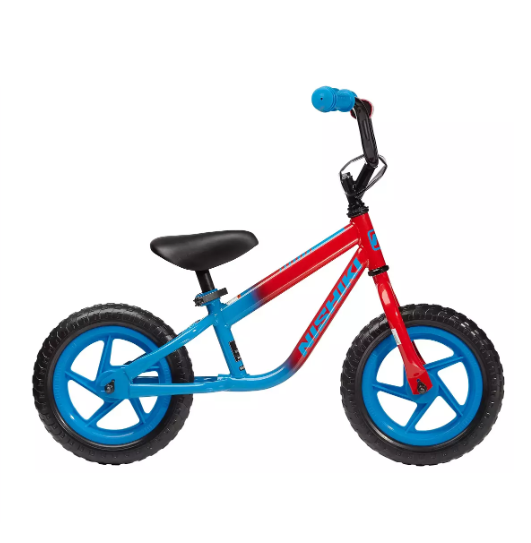
Nishiki Boys’ Granada 12″ Balance Bike
- Adjustable seat posts
- 12″ Foam tires
- Steel frame
Discovering the Perfect First Ride That Transforms Toddlers into Confident Cyclists
The sound of tiny feet hitting the ground in rapid succession, followed by delighted squeals of joy as a small figure glides effortlessly across the pavement—this is the magic of the Nishiki Balance Bike in action. In a world where childhood seems increasingly dominated by screens and indoor activities, this remarkable piece of engineering stands as a beacon of outdoor adventure and physical development.
Picture this: a two-year-old who just yesterday was wobbling uncertainly on chubby legs now confidently scooting along sidewalks, hair flying in the wind, eyes bright with the thrill of newfound independence. This transformation isn’t magic—it’s the carefully crafted result of thoughtful design and engineering that makes the Nishiki Balance Bike a standout choice for parents seeking to introduce their children to the wonderful world of cycling.
The Art and Science Behind the Nishiki Balance Bike Features
When examining what makes the Nishiki Balance Bike exceptional, we must first appreciate the philosophy behind balance bikes themselves. Unlike traditional bicycles with training wheels that can actually hinder the development of balance skills, balance bikes eliminate pedals entirely, allowing children to focus exclusively on the fundamental skill of balancing while in motion.
The Nishiki Balance Bike embodies this philosophy through its meticulously designed features. The frame, crafted from lightweight yet durable materials, strikes the perfect balance between strength and maneuverability. Children can easily lift and position their bike, fostering a sense of ownership and control that’s crucial for building confidence.
The ergonomic design extends to every component, from the carefully contoured seat that provides comfort during extended riding sessions to the handlebars positioned at the optimal height for natural arm positioning. The Nishiki Balance Bike doesn’t just accommodate a child’s current size—it grows with them through thoughtful adjustability features.
One of the most remarkable aspects of the Nishiki Balance Bike is its attention to the psychological needs of young riders. The frame geometry has been carefully calculated to provide a low center of gravity, making it virtually impossible for children to tip over while stationary. This design feature alone eliminates much of the fear that can prevent children from embracing cycling.
Investment in Adventure: Understanding Nishiki Balance Bike Pricing
The question of cost often weighs heavily on parents’ minds when considering a balance bike purchase. The Nishiki Balance Bike positions itself in the mid-range market segment, typically retailing between $80 and $150, depending on the specific model and features selected. This pricing reflects the careful balance between accessibility and quality that defines the brand.
When evaluating the cost of a Nishiki Balance Bike, it’s essential to consider the value proposition beyond the initial purchase price. Unlike many toys that capture a child’s attention briefly before being forgotten, a quality balance bike serves as a developmental tool that can provide years of use and learning. The Nishiki Balance Bike often becomes a beloved companion that children use daily, making the cost per use remarkably low over its lifetime.
Furthermore, the durability built into every Nishiki Balance Bike means it can typically be passed down to younger siblings or resold to other families, extending its value even further. Many parents find that a well-maintained balance bike retains a significant portion of its original value, making it a smart investment in their child’s development.
The pricing also reflects the quality of materials and manufacturing standards that go into each Nishiki Balance Bike. While cheaper alternatives exist in the market, they often lack the attention to detail and safety features that make the Nishiki brand a trusted choice among discerning parents.
Perfect Timing: Nishiki Balance Bike and Toddler Development
The toddler years represent a magical window of physical and cognitive development, making this the ideal time to introduce a Nishiki Balance Bike. During this period, children are naturally developing their gross motor skills, spatial awareness, and confidence in physical movement. The balance bike serves as the perfect vehicle to channel and enhance these natural developmental processes.
Toddlers are inherently curious and fearless, qualities that serve them well when learning to use a Nishiki Balance Bike. Their lower center of gravity and natural tendency to learn through play make them ideal candidates for balance bike riding. Unlike older children who might overthink the process, toddlers approach balance biking with pure instinct and joy.
The Nishiki Balance Bike excels in its suitability for toddlers through several key design elements. The step-through frame design allows even the smallest riders to mount and dismount independently, fostering self-reliance and confidence. The low seat height ensures that toddlers can maintain firm ground contact with both feet, providing the security they need to experiment with balance and movement.
Research in child development consistently shows that activities requiring balance and coordination during the toddler years contribute significantly to overall physical literacy. The Nishiki Balance Bike provides an engaging platform for developing these crucial skills while delivering the pure joy that comes from independent movement.
Age-Appropriate Adventures: The Nishiki Balance Bike Timeline
The recommended age range for the Nishiki Balance Bike typically spans from 18 months to 5 years, though individual readiness varies based on physical development and interest level. This broad age range reflects the adjustable nature of the bike and its ability to grow with the child.
For the youngest riders, around 18 to 24 months, the Nishiki Balance Bike serves primarily as a walking aid and confidence builder. These early riders often begin by simply walking while straddling the bike, gradually building the trust and familiarity that will later blossom into true balance riding.
As children approach their second birthday, they typically begin to lift their feet for short periods while riding their Nishiki Balance Bike. This represents a crucial developmental milestone, as it indicates the beginning of true balance skill development. The bike’s design supports this progression naturally, never forcing the learning process but always ready to accommodate the next level of skill.
By age three, most children using a Nishiki Balance Bike are confidently gliding for extended periods, steering around obstacles, and beginning to experiment with gentle slopes and varied terrain. This is often when parents first glimpse their child’s future cycling potential, as the fundamentals of balance and steering become second nature.
The upper end of the age range, around four to five years old, represents the transition period when children are ready to move to a pedal bike. Children who have mastered the Nishiki Balance Bike often skip training wheels entirely, moving directly to a traditional bicycle with remarkable ease and confidence.
Finding Your Nishiki Balance Bike: Where Adventure Begins
The availability of the Nishiki Balance Bike reflects its popularity and the brand’s commitment to reaching families wherever they are. Major sporting goods retailers, both online and brick-and-mortar, typically stock various models of the Nishiki Balance Bike, making it accessible to most families.
Specialty bicycle shops often carry the Nishiki Balance Bike, providing the added benefit of expert advice and fitting services. These retailers can help ensure that the bike is properly adjusted for your child and provide valuable guidance on safety and maintenance. The personal service available at these locations can be particularly valuable for first-time balance bike buyers.
Online marketplaces have also embraced the Nishiki Balance Bike, offering convenience and often competitive pricing. However, purchasing online requires careful attention to sizing and specifications, as the ability to physically examine the bike before purchase is eliminated.
Some parents discover excellent deals on gently used Nishiki Balance Bikes through local classified ads, consignment shops, or online marketplaces for used goods. Given the durability of these bikes, a well-maintained used model can provide excellent value while introducing a new family to the joys of balance biking.
Seasonal sales events often feature the Nishiki Balance Bike at reduced prices, making spring and early summer ideal times for purchase. Many retailers clear inventory during fall and winter months, presenting opportunities for savvy parents to secure a bike for the following season.
The Learning Revolution: How Nishiki Balance Bike Transforms Cycling Education
The traditional approach to teaching children to ride bicycles—complete with training wheels, running alongside while holding the seat, and the inevitable scraped knees—has been revolutionized by the Nishiki Balance Bike philosophy. This innovative approach recognizes that balance is the fundamental skill required for cycling success, and addresses it directly rather than working around it.
When children use a Nishiki Balance Bike, they naturally develop the muscle memory and spatial awareness required for cycling balance. Unlike training wheels, which can actually teach children to lean into turns incorrectly, the balance bike allows for the development of proper cycling technique from the very beginning.
The learning process with a Nishiki Balance Bike unfolds organically, driven by the child’s natural curiosity and desire for speed and adventure. Children begin by walking while seated, gradually building confidence and familiarity with the bike’s feel and handling. As their comfort level increases, they naturally begin to lift their feet for longer periods, developing balance skills without conscious effort.
This organic learning approach eliminates much of the fear and anxiety traditionally associated with learning to ride a bike. Children using a Nishiki Balance Bike never experience the helpless feeling of falling while attached to a bike they cannot control. Instead, they maintain complete control throughout the learning process, building confidence alongside their skills.
Perhaps most remarkably, children who master the Nishiki Balance Bike often transition to pedal bikes within hours rather than weeks or months. With balance skills already established, they can focus exclusively on learning to pedal and brake, making the transition smooth and enjoyable.
Engineering Elegance: The Nishiki Balance Bike Weight Advantage
The weight of a balance bike significantly impacts a child’s ability to handle and enjoy it, making this specification crucial for parents to consider. The Nishiki Balance Bike typically weighs between 6 and 8 pounds, depending on the specific model and materials used. This weight range represents the sweet spot between durability and maneuverability for young riders.
To put this weight in perspective, consider that many toddlers can comfortably carry objects weighing 10-15% of their body weight. For a 30-pound two-year-old, a 7-pound Nishiki Balance Bike represents less than 25% of their body weight, making it easily manageable for lifting, positioning, and maneuvering.
The lightweight design of the Nishiki Balance Bike serves multiple purposes beyond simple portability. Lighter bikes are easier for children to steer and control, leading to faster skill development and greater confidence. When a child can easily manipulate their bike, they’re more likely to experiment with different techniques and push their boundaries safely.
For parents, the manageable weight of the Nishiki Balance Bike means easier transport to parks, trails, and other riding locations. Unlike heavier alternatives that require significant effort to carry, the Nishiki can be easily managed by most parents, encouraging more frequent outings and adventures.
The engineering behind achieving this optimal weight involves careful material selection and frame design. The Nishiki Balance Bike utilizes lightweight aluminum or high-quality steel construction, depending on the model, to achieve the perfect balance of strength, durability, and weight.
A Rainbow of Possibilities: Nishiki Balance Bike Color Options
The visual appeal of a balance bike plays a significant role in a child’s enthusiasm for riding, making color options an important consideration for many families. The Nishiki Balance Bike recognizes this by offering a diverse palette of colors that appeal to various tastes and preferences.
Traditional color options for the Nishiki Balance Bike include classic choices like bright red, deep blue, and vibrant green. These timeless colors appeal to children who gravitate toward bold, primary colors and provide excellent visibility for safety purposes. The bright, cheerful colors also photograph beautifully, capturing those precious early riding moments for family memories.
For children who prefer more unique options, the Nishiki Balance Bike line often includes specialty colors like purple, pink, orange, and yellow. These choices allow children to express their developing sense of personal style while ensuring their bike stands out in a crowd of more common colors.
Some models of the Nishiki Balance Bike feature two-tone color schemes or accent colors that add visual interest and sophistication to the design. These combinations often appeal to parents seeking a bike that looks as good in family photos as it performs on the riding trail.
The durability of the color finish on the Nishiki Balance Bike ensures that the vibrant appearance persists through years of use and outdoor exposure. The high-quality paint systems used resist fading, chipping, and scratching, maintaining the bike’s attractive appearance throughout its service life.
Color choice can also serve practical purposes, with brighter colors providing enhanced visibility for safety and darker colors potentially showing dirt and wear less readily. Many parents find that involving their child in the color selection process increases excitement and ownership of their new Nishiki Balance Bike.
Growing Together: Nishiki Balance Bike Adjustability Features
One of the most valuable aspects of the Nishiki Balance Bike design is its ability to accommodate a child’s growth over several years of use. The adjustability features built into these bikes ensure that the initial investment continues to provide value as the child develops physically and gains riding skills.
The seat height adjustment represents the most critical adjustability feature of the Nishiki Balance Bike. Most models offer a seat height range of approximately 4-6 inches, allowing the bike to accommodate children as they grow taller. This adjustment range typically covers the growth that occurs between ages 2 and 5, maximizing the useful life of the bike.
Proper seat height adjustment is crucial for both safety and skill development. When correctly adjusted, a child should be able to place both feet flat on the ground while seated, with a slight bend in their knees. This position provides the security needed for confidence building while allowing for efficient propulsion and balance development.
Many Nishiki Balance Bike models also feature adjustable handlebars, allowing for fine-tuning of the riding position as the child grows. Proper handlebar height ensures comfortable reach and optimal control, contributing to both safety and riding enjoyment.
The adjustment mechanisms on the Nishiki Balance Bike are designed for easy operation by parents while remaining secure during use. Quick-release clamps or simple bolt adjustments allow for modifications without special tools, encouraging parents to keep the bike properly fitted as their child grows.
Some advanced models of the Nishiki Balance Bike include additional adjustability features such as adjustable stem length or angle, allowing for even more precise fitting. These features are particularly valuable for families with multiple children who will use the same bike over time.
Material Mastery: The Construction of Nishiki Balance Bike
The materials used in constructing the Nishiki Balance Bike reflect a careful balance between performance, durability, safety, and cost considerations. Understanding these material choices helps parents appreciate the value and expected longevity of their investment.
The frame construction of most Nishiki Balance Bike models utilizes either high-quality steel or lightweight aluminum alloy. Steel frames offer exceptional durability and damage resistance, making them ideal for families expecting heavy use or multiple children. The natural flex characteristics of steel also provide a slightly more comfortable ride over rough surfaces.
Aluminum frames, featured on higher-end Nishiki Balance Bike models, offer significant weight savings while maintaining excellent strength and durability. The corrosion resistance of aluminum makes it particularly suitable for families in coastal areas or regions with harsh weather conditions. The lightweight nature of aluminum frames makes the bike easier for children to handle and transport.
The finishing applied to Nishiki Balance Bike frames provides both aesthetic appeal and protection against wear and corrosion. High-quality powder coating creates a durable, attractive finish that resists chipping, scratching, and fading. This finish quality ensures that the bike maintains its attractive appearance throughout years of use.
Component materials receive equal attention in the Nishiki Balance Bike design process. Handlebar grips utilize soft, non-slip materials that provide comfort and security for small hands. The seat padding combines durability with comfort, using materials that resist tearing and maintain their shape over time.
Safety considerations influence every material choice in the Nishiki Balance Bike construction. All materials meet or exceed relevant safety standards for children’s products, with particular attention paid to the absence of toxic substances and the use of child-safe finishes and treatments.
Rolling Forward: Nishiki Balance Bike Tire Technology
The tires fitted to a Nishiki Balance Bike play a crucial role in the riding experience, affecting everything from comfort and traction to maintenance requirements and durability. Understanding the tire options available helps parents select the best configuration for their child’s intended use.
Most Nishiki Balance Bike models offer a choice between air-filled pneumatic tires and solid foam-filled tires, each with distinct advantages and considerations. Pneumatic tires provide superior ride comfort and traction, particularly on rough or varied surfaces. The air cushioning absorbs impacts and vibrations, creating a smoother, more comfortable riding experience that encourages longer sessions and builds confidence.
Air-filled tires on the Nishiki Balance Bike also provide excellent traction on various surfaces, from smooth pavement to dirt trails and grass. This versatility allows families to explore different environments and terrains, expanding the adventure possibilities for young riders. The improved grip helps prevent slipping and sliding, particularly important as children develop steering and braking skills.
However, pneumatic tires do require occasional maintenance, including pressure checking and potential puncture repairs. For busy families or those seeking minimal maintenance, the Nishiki Balance Bike models with foam-filled tires offer an appealing alternative.
Foam-filled tires eliminate the possibility of flats while providing reasonable comfort and traction for most riding situations. These tires work particularly well for families who primarily ride on smooth surfaces like sidewalks, bike paths, and indoor spaces. The maintenance-free nature of foam tires appeals to parents who want to focus on riding rather than bike maintenance.
The wheel size on most Nishiki Balance Bike models ranges from 12 to 14 inches in diameter, with the specific size chosen to optimize the bike’s geometry for the intended age range. Larger wheels roll more easily over obstacles and provide a smoother ride, while smaller wheels offer better maneuverability and lower seat heights for younger riders.
Competitive Edge: Nishiki Balance Bike Market Position
In the competitive landscape of balance bikes, the Nishiki Balance Bike distinguishes itself through a combination of thoughtful design, quality construction, and competitive pricing. Understanding how it compares to other options helps parents make informed decisions about their investment in their child’s cycling future.
Compared to premium balance bike brands that often retail for $200-300, the Nishiki Balance Bike provides many of the same essential features at a more accessible price point. While it may lack some of the ultra-premium materials or exotic design elements found in the highest-end models, it delivers the core functionality that matters most for child development and safety.
The Nishiki Balance Bike typically outperforms budget alternatives found at big-box retailers in terms of build quality, safety features, and longevity. While these budget options might appear similar at first glance, they often compromise on critical elements like frame strength, component quality, and safety testing that become apparent with use.
One area where the Nishiki Balance Bike particularly excels is in its attention to sizing and adjustability. Many competitors offer limited adjustment range or require tools for modifications, while the Nishiki design prioritizes easy, secure adjustability that grows with the child.
The warranty and customer support associated with the Nishiki Balance Bike also compare favorably to many competitors. The brand’s established reputation in the cycling industry provides confidence in long-term support and parts availability, important considerations for parents making a multi-year investment.
Safety certifications and testing represent another area where the Nishiki Balance Bike meets or exceeds industry standards. The brand’s commitment to safety testing and compliance provides peace of mind that may be absent with lesser-known or budget alternatives.
Assembly and Setup: Getting Your Nishiki Balance Bike Ready
The assembly process for a new Nishiki Balance Bike represents the exciting bridge between purchase and first ride, though the complexity and time required vary depending on the retailer and shipping method. Understanding what to expect helps parents prepare for this important step in their child’s cycling journey.
Most Nishiki Balance Bike models require some assembly when purchased online or from retailers who ship bikes in compact packaging. The typical assembly process involves installing the front wheel, handlebars, seat, and pedals (if applicable), along with final adjustments to ensure proper fit and safety.
The assembly complexity of a Nishiki Balance Bike is generally considered beginner-friendly, requiring only basic tools like allen keys and adjustable wrenches. Most models include the necessary tools and hardware, along with clear, illustrated instructions that guide parents through each step of the process.
For parents uncomfortable with mechanical tasks or lacking the necessary tools, many bicycle shops offer assembly services for a reasonable fee. Professional assembly ensures proper torque specifications and safety checks while providing an opportunity to learn about proper maintenance and adjustment procedures.
The initial setup of a Nishiki Balance Bike includes critical safety checks such as verifying wheel installation, testing brake function (if equipped), and ensuring all bolts are properly tightened. These checks should be repeated periodically as part of ongoing maintenance to ensure continued safe operation.
Proper initial adjustment of seat and handlebar height sets the foundation for positive riding experiences. Taking time to achieve the correct fit during assembly prevents the need for immediate readjustments and ensures the child can begin riding safely and comfortably.
Protection and Peace of Mind: Nishiki Balance Bike Warranty Coverage
The warranty coverage provided with a Nishiki Balance Bike reflects the manufacturer’s confidence in their product while providing important protection for families making this investment in their child’s development. Understanding the warranty terms helps parents know what to expect and how to protect their purchase.
Most Nishiki Balance Bike models include a limited warranty covering manufacturing defects and material failures for a specified period, typically ranging from one to two years from the date of purchase. This coverage provides protection against premature failure of components due to manufacturing issues while excluding normal wear and damage from use or accidents.
The warranty on a Nishiki Balance Bike typically covers major components such as the frame, fork, wheels, and other structural elements that could pose safety concerns if they failed prematurely. This coverage provides important peace of mind for parents concerned about the safety and reliability of their child’s bike.
Understanding what the warranty does not cover is equally important for Nishiki Balance Bike owners. Normal wear items such as tires, grips, and seats are typically excluded, as is damage resulting from improper use, accidents, or failure to perform recommended maintenance. These exclusions are standard across the industry and reflect the difference between manufacturing defects and expected wear.
Warranty claims for Nishiki Balance Bike products typically require proof of purchase and may involve inspection of the failed component to determine the cause of failure. Working with the original retailer often provides the smoothest warranty experience, as they can facilitate communication with the manufacturer and expedite resolution.
Maintaining proper care and following manufacturer guidelines helps ensure that warranty coverage remains valid throughout the coverage period. Keeping records of purchase and any maintenance performed can be valuable if warranty service becomes necessary.
Versatile Adventures: Indoor and Outdoor Nishiki Balance Bike Use
The versatility of the Nishiki Balance Bike extends to its suitability for both indoor and outdoor use, making it a valuable investment for families regardless of their living situation or local weather conditions. This flexibility ensures year-round opportunities for skill development and fun.
Indoor use of a Nishiki Balance Bike opens up possibilities for rainy day adventures and winter skill building. Large indoor spaces such as basements, garages, or community centers provide safe environments for practice and play when outdoor conditions are unsuitable. The smooth, quiet operation of balance bikes makes them much more suitable for indoor use than traditional bicycles.
When using a Nishiki Balance Bike indoors, families should consider floor protection and space requirements. The bike’s tires may mark certain floor surfaces, making protective mats or designated riding areas advisable. The compact size and lightweight nature of the bike make it easy to transport between indoor and outdoor locations.
Outdoor use represents the primary intended environment for the Nishiki Balance Bike, where children can experience the full range of riding conditions and challenges. Paved surfaces like sidewalks, bike paths, and playgrounds provide ideal learning environments with predictable traction and minimal obstacles.
As children’s skills develop on their Nishiki Balance Bike, they can gradually explore more challenging outdoor terrain such as grass, dirt paths, and gentle hills. The bike’s construction and tire options accommodate this progression, supporting adventure and skill development in various environments.
Safety considerations for outdoor Nishiki Balance Bike use include proper protective equipment, awareness of traffic and pedestrians, and selection of appropriate riding locations. Teaching children about outdoor safety from the beginning establishes good habits that will serve them throughout their cycling lives.
Safety First: Nishiki Balance Bike Protection Features
Safety represents the paramount concern in Nishiki Balance Bike design, with multiple features and considerations built into every aspect of the bike’s construction and operation. Understanding these safety elements helps parents appreciate the thought and care that goes into protecting young riders.
The low center of gravity design of the Nishiki Balance Bike represents one of its most important safety features. By positioning the seat low relative to the ground and designing the frame geometry to keep the rider’s weight centered, the bike naturally resists tipping and provides exceptional stability for young riders.
The step-through frame design eliminates the need for children to swing their leg over a high top tube, reducing the risk of falls during mounting and dismounting. This feature is particularly important for younger riders who may lack the coordination or leg length to clear a traditional bike frame safely.
Steering limitations built into the Nishiki Balance Bike prevent the handlebars from turning too far and causing sudden direction changes that could result in falls. These stops allow for natural steering while preventing the over-steering that can occur when excited children turn the handlebars too aggressively.
The absence of pedals on the Nishiki Balance Bike eliminates several common injury risks associated with traditional bicycles. Children cannot catch their feet in spokes or chains, and the risk of pedal strikes during falls is completely eliminated. This design allows children to put their feet down instantly whenever they feel unsteady.
All materials and finishes used in Nishiki Balance Bike construction meet strict safety standards for children’s products. This includes requirements for lead content, chemical safety, and mechanical hazards. The rounded edges and smooth finishes throughout the bike minimize the risk of cuts or scrapes during normal use.
Built to Last: Nishiki Balance Bike Durability Standards
The durability of a Nishiki Balance Bike reflects the understanding that children’s equipment must withstand not only regular use but also the enthusiastic and sometimes rough treatment that comes with young riders learning new skills. This robust construction ensures that the bike remains safe and functional throughout years of use.
The frame construction of the Nishiki Balance Bike utilizes welding techniques and materials chosen specifically for their ability to withstand the stresses of child use. High-quality steel or aluminum tubing provides excellent strength-to-weight ratios while resisting cracking or failure even under heavy use conditions.
Component selection throughout the Nishiki Balance Bike prioritizes durability alongside function. Bearings, hardware, and adjustment mechanisms are chosen for their ability to maintain smooth operation despite exposure to dirt, moisture, and the occasional crash or rough handling that characterizes active childhood play.
The finish systems used on Nishiki Balance Bike models provide both aesthetic appeal and protection against corrosion and wear. Powder coating and other protective treatments ensure that the bike maintains its appearance and structural integrity even when subjected to outdoor storage and variable weather conditions.
Field testing and quality control procedures help ensure that each Nishiki Balance Bike meets durability standards before reaching consumers. This testing includes both mechanical stress testing and real-world use evaluation to identify and address potential durability issues before they affect customer satisfaction.
The modular design of many Nishiki Balance Bike components allows for easy replacement of wear items and repair of damage, extending the useful life of the bike and making maintenance more economical. This approach recognizes that even the most durable equipment may eventually require service or component replacement.
Comfort and Control: Nishiki Balance Bike Footrest Design
The presence and design of footrests on a Nishiki Balance Bike contribute significantly to the riding experience and skill development progression. Understanding how these features work helps parents appreciate their importance and encourage proper use by young riders.
Some Nishiki Balance Bike models include integrated footrests that provide a comfortable and secure place for children to rest their feet while coasting. These footrests are typically positioned to allow natural leg positioning without interfering with the child’s ability to quickly place their feet on the ground when needed.
The footrest design on equipped Nishiki Balance Bike models encourages children to progress from ground-contact riding to true coasting, representing an important milestone in balance development. As children gain confidence in their balancing abilities, they naturally begin using the footrests for longer periods, developing the skills needed for eventual transition to pedal bikes.
For models without dedicated footrests, the Nishiki Balance Bike frame geometry still provides options for foot placement during coasting. Children often rest their feet on the frame or find comfortable positions that allow them to coast while maintaining the ability to quickly return their feet to the ground.
The positioning and design of footrests on the Nishiki Balance Bike prioritize safety alongside comfort. The footrests are designed to prevent feet from slipping or becoming entangled while allowing quick release when the child needs to put their feet down for balance or braking.
Teaching children proper footrest use becomes an important part of Nishiki Balance Bike instruction. Parents can encourage progression from ground contact to footrest use as children’s confidence and skills develop, celebrating each milestone in the journey toward independent cycling.
Sizing Matters: Nishiki Balance Bike Wheel Specifications
The wheel size specification of a Nishiki Balance Bike significantly impacts its suitability for different age groups and riding conditions, making this an important consideration for parents selecting the right model for their child. Understanding these specifications helps ensure optimal fit and performance.
Most Nishiki Balance Bike models feature 12-inch wheels, which provide an ideal balance of maneuverability and stability for toddlers and young preschoolers. This wheel size allows for low seat heights while providing sufficient ground clearance and rolling efficiency for varied terrain.
Some larger Nishiki Balance Bike models utilize 14-inch wheels, which offer advantages for taller children or those who have outgrown smaller bikes. The larger wheels roll more easily over obstacles and provide a smoother ride on rough surfaces, while still maintaining the low center of gravity essential for balance bike effectiveness.
The relationship between wheel size and seat height is crucial for proper Nishiki Balance Bike fit. Smaller wheels allow for lower minimum seat heights, accommodating younger or shorter children, while larger wheels may require higher seat positions that suit taller riders.
Rolling resistance and momentum characteristics vary with wheel size on the Nishiki Balance Bike. Larger wheels maintain momentum more effectively, allowing children to coast for longer distances, while smaller wheels provide more responsive handling and easier acceleration from a stop.
Tire width, another important wheel specification, affects stability and traction on the Nishiki Balance Bike. Wider tires provide increased contact area and stability, particularly beneficial for beginning riders, while narrower tires offer reduced rolling resistance and more efficient forward motion.
Keeping It Rolling: Nishiki Balance Bike Maintenance Guide
Proper maintenance of a Nishiki Balance Bike ensures safe operation, extends service life, and maintains optimal performance throughout years of use. Understanding basic maintenance requirements helps parents keep their child’s bike in excellent condition without requiring extensive mechanical knowledge.
Regular cleaning represents the foundation of Nishiki Balance Bike maintenance, removing dirt, moisture, and debris that can cause premature wear or corrosion. Simple washing with mild soap and water, followed by thorough drying, keeps the bike looking good and functioning properly.
Tire maintenance forms a critical component of Nishiki Balance Bike care, particularly for models equipped with air-filled tires. Regular pressure checks and inflation ensure optimal performance and safety, while inspection for wear or damage helps prevent unexpected failures during use.
Moving parts such as wheels, steering components, and adjustment mechanisms require periodic attention to maintain smooth operation. Simple lubrication with appropriate products keeps these components functioning properly and extends their service life significantly.
Hardware inspection and tightening should be performed regularly on any Nishiki Balance Bike, as the vibration and stresses of normal use can cause bolts and fasteners to loosen over time. This inspection is particularly important for safety-critical components such as wheel attachments and steering assembly.
Storage considerations play an important role in Nishiki Balance Bike maintenance, with indoor storage preferred when possible to minimize exposure to moisture and temperature extremes. When outdoor storage is necessary, protective covers can help shield the bike from the elements.
Seasonal maintenance routines help ensure that the Nishiki Balance Bike remains ready for use throughout the year. Spring preparation might include thorough cleaning, lubrication, and safety checks, while fall maintenance could focus on protection preparation for winter storage.
The journey of childhood is filled with countless milestones, but few capture the pure joy and sense of accomplishment quite like that first successful glide on a balance bike. The Nishiki Balance Bike serves as more than just a toy or piece of equipment—it becomes a gateway to confidence, independence, and a lifelong love of cycling.
As parents, we invest not just in products but in experiences and opportunities for our children to grow and thrive. The Nishiki Balance Bike represents one of those rare purchases that delivers value far beyond its cost, creating memories that will last a lifetime while building skills that serve as the foundation for countless future adventures.
Whether your child is taking their first tentative scoots across the living room floor or confidently navigating neighborhood sidewalks with the wind in their hair, the Nishiki Balance Bike stands ready to support their journey. In a world that often seems to rush childhood along too quickly, this simple yet sophisticated machine reminds us to celebrate the fundamental joy of movement, discovery, and the magical moment when a child realizes they can truly fly.
The investment in a Nishiki Balance Bike is ultimately an investment in your child’s confidence, physical development, and sense of adventure. As they grow from tentative beginners to confident riders, the lessons learned on their balance bike will serve them well beyond their cycling years, teaching them that with practice, patience, and the right support, they can master any challenge that comes their way.