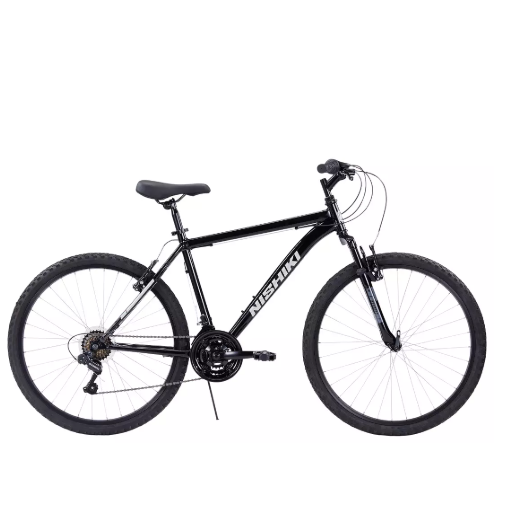
Nishiki Men’s Pueblo 26″ Mountain Bike
- Suspension fork
- 7-speed Shimano twist shifting
- Dual linear pull brakes
- Off-road tires
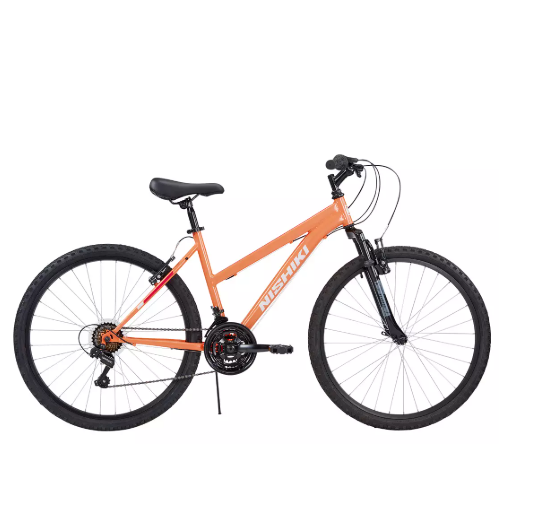
Nishiki Womens Pueblo 26″ Mountain Bike
- Suspension fork
- 7-speed Shimano twist shifting
- Dual linear pull brakes
- Off-road tires
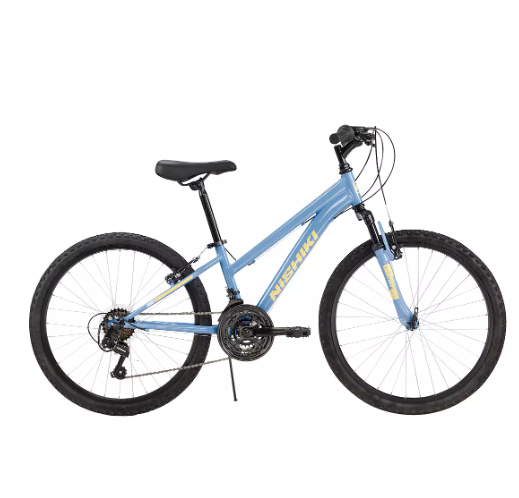
Nishiki Girls Pueblo 24″ Mountain Bike
- 7-speed Shimano twist shifting
- Dual linear pull brakes
- Padded saddle
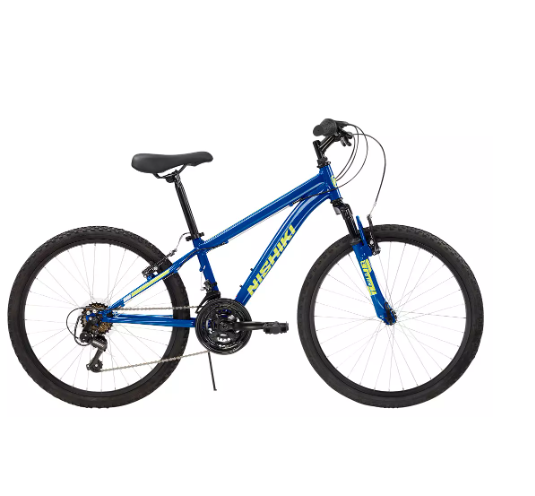
Nishiki Boys Pueblo 24″ Mountain Bike
- 7-speed Shimano twist shifting
- Dual linear pull brakes
- Off-road tires
- Padded saddle
From Tokyo’s Streets to Global Adventures – Why Nishiki Continues to Captivate Cyclists Decades Later
When you hear the name Nishiki Bike, you’re not just hearing about another bicycle manufacturer – you’re encountering a piece of cycling history that has weathered decades of industry changes, technological revolutions, and shifting consumer preferences. Like a master craftsman who has quietly perfected their art while others chase trends, Nishiki has maintained its reputation for delivering quality bicycles that serve both novice riders taking their first pedal strokes and seasoned cyclists embarking on epic adventures.
The story of Nishiki is one that speaks to the heart of what makes cycling such an enduring passion. It’s about the marriage of Japanese engineering precision with practical American cycling needs, creating bicycles that don’t just transport you from point A to point B, but become trusted companions on life’s journey. Whether you’re navigating city streets, conquering mountain trails, or simply enjoying a leisurely ride through your neighborhood, Nishiki Bikes have consistently delivered the reliability and performance that cyclists have come to expect.
The Rich Tapestry of Nishiki’s History
To truly understand what makes Nishiki Bikes special, we must journey back to their origins in Japan during the cycling boom of the 1960s and 1970s. The name “Nishiki” itself means “brocade” in Japanese – a fitting metaphor for the intricate weaving of tradition, innovation, and craftsmanship that has defined the brand throughout its existence.
The brand’s genesis can be traced to the Kawamura Cycle Company in Kobe, Japan, where skilled craftsmen began producing bicycles that would eventually make their way across the Pacific Ocean to American shores. During the 1970s bicycle renaissance in the United States, when cycling was experiencing unprecedented popularity, Nishiki Bikes found their perfect moment to shine. American cyclists were hungry for alternatives to the heavy, utilitarian bikes that had dominated the market, and Nishiki’s lightweight, well-engineered machines arrived at precisely the right time.
What made Nishiki stand out wasn’t just their Japanese manufacturing quality – it was their understanding of what American cyclists actually needed. While some manufacturers focused on racing-specific features that appealed to a narrow segment of riders, Nishiki Bikes struck a balance between performance and practicality that resonated with a broader audience. This philosophy of accessible excellence would become a hallmark of the brand.
The relationship between Nishiki and American cycling culture deepened through partnerships with distributors who understood both markets intimately. These collaborations resulted in bicycles that incorporated the best of Japanese manufacturing precision with design elements that appealed to American sensibilities. The result was a product line that felt both exotic and familiar, offering something genuinely different while remaining approachable to everyday cyclists.
The Modern Nishiki Landscape: Understanding Today’s Models
Today’s Nishiki Bike lineup represents decades of evolution and refinement, offering cyclists a comprehensive range of options that cater to virtually every riding style and preference. Unlike some manufacturers who focus narrowly on specific niches, Nishiki has maintained its commitment to serving the diverse needs of the cycling community.
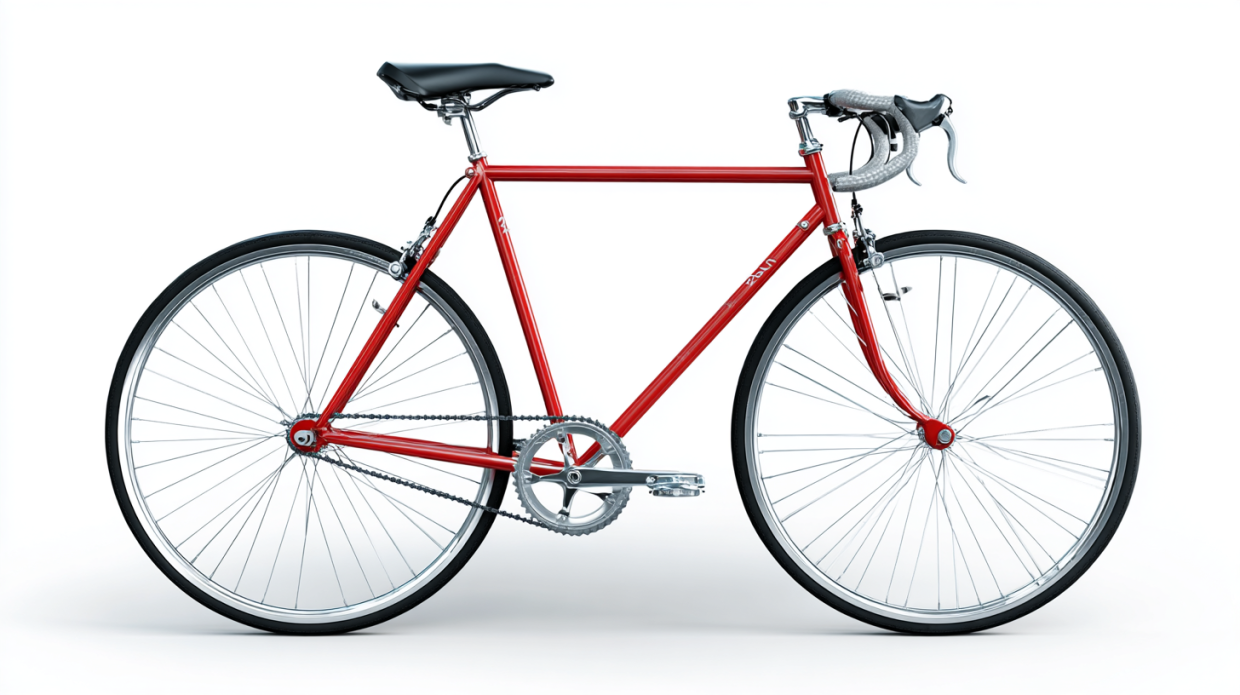
The road bike category showcases Nishiki’s understanding of what makes a great pavement performer. These machines balance the aggressive geometry that serious riders demand with the comfort features that make long rides enjoyable rather than endurance tests. Nishiki road bikes typically feature aluminum or steel frames that provide the perfect combination of responsiveness and vibration damping, ensuring that whether you’re tackling your first century ride or simply commuting to work, you’ll arrive feeling energized rather than beaten up.
Mountain biking enthusiasts will find that Nishiki mountain bikes embody the same practical excellence that has defined the brand for decades. These aren’t bikes designed to win World Cup races – they’re built for real-world trail riding, where durability and reliability matter more than saving a few grams of weight. The suspension systems are tuned for versatility rather than specialization, making them equally at home on smooth singletrack and chunky technical terrain.
Perhaps nowhere is Nishiki’s practical philosophy more evident than in their hybrid bike offerings. These versatile machines recognize that most cyclists don’t live in a world of pure categories – sometimes you need to tackle pavement, sometimes gravel, and sometimes that dirt path that looks like it might lead somewhere interesting. Nishiki hybrid bikes embrace this reality, offering the comfort of an upright riding position, the efficiency of road bike wheels, and the durability to handle whatever surface you encounter.
The comfort bike segment represents Nishiki’s acknowledgment that cycling should be, above all else, enjoyable. These bikes prioritize rider comfort without sacrificing quality, featuring geometry that keeps you upright and relaxed, saddles that don’t require breaking in, and components that work smoothly without demanding constant attention. For many riders, a Nishiki comfort bike becomes their gateway back into cycling after years away from the sport.
Quality and Value: The Nishiki Equation
When cyclists ask whether Nishiki is a good bike brand, they’re really asking whether these bicycles deliver value that justifies their investment. The answer lies not in comparing Nishiki to the most expensive bikes on the market, but in understanding what constitutes genuine value in the cycling world.
Nishiki Bikes have built their reputation on the principle that quality doesn’t have to be prohibitively expensive. This doesn’t mean they cut corners or use inferior materials – rather, they focus their engineering efforts on the aspects of bicycle design that make the biggest difference to the riding experience. While some manufacturers might spend extensively on exotic materials that provide marginal gains, Nishiki invests in frame geometry, component selection, and manufacturing processes that deliver tangible benefits to real-world riders.
The quality control standards that govern Nishiki Bike production reflect the brand’s Japanese heritage, where attention to detail and pride in craftsmanship are cultural values rather than marketing slogans. Each bicycle undergoes rigorous testing to ensure it meets the durability standards that cyclists have come to expect from the brand. This commitment to quality extends beyond the initial purchase – Nishiki bikes are designed to provide years of reliable service with proper maintenance.
Value, however, encompasses more than just initial quality. Nishiki Bikes are designed with serviceability in mind, using standard components and conventional construction techniques that any competent bike mechanic can work on. This practical approach means that maintaining your Nishiki won’t require expensive specialized tools or hard-to-find replacement parts, keeping the total cost of ownership reasonable throughout the bike’s lifespan.
Manufacturing and Materials: Where Craft Meets Technology
The question of where Nishiki Bikes are made reveals the globalized nature of modern bicycle manufacturing while highlighting the brand’s continued commitment to quality control. While the romantic image of Japanese craftsmen hand-building each frame in small workshops may belong to cycling’s past, today’s Nishiki production represents an evolution of that same commitment to excellence.
Modern Nishiki Bikes are manufactured in facilities that combine high-tech production capabilities with the quality standards that have always defined the brand. These factories utilize advanced metallurgy and precision manufacturing techniques to create frames that are both lighter and stronger than their predecessors. The shift from purely Japanese production to a more distributed manufacturing model has allowed Nishiki to maintain competitive pricing while preserving the build quality that cyclists expect.
The materials used in Nishiki Bike frames reflect the brand’s practical approach to engineering. Aluminum remains a popular choice for many models, offering the ideal balance of weight, strength, and affordability. Nishiki’s aluminum frames are engineered with wall thickness variations and butting techniques that optimize strength where it’s needed while minimizing weight where possible. The welding quality meets aerospace standards, creating joints that are both strong and aesthetically pleasing.
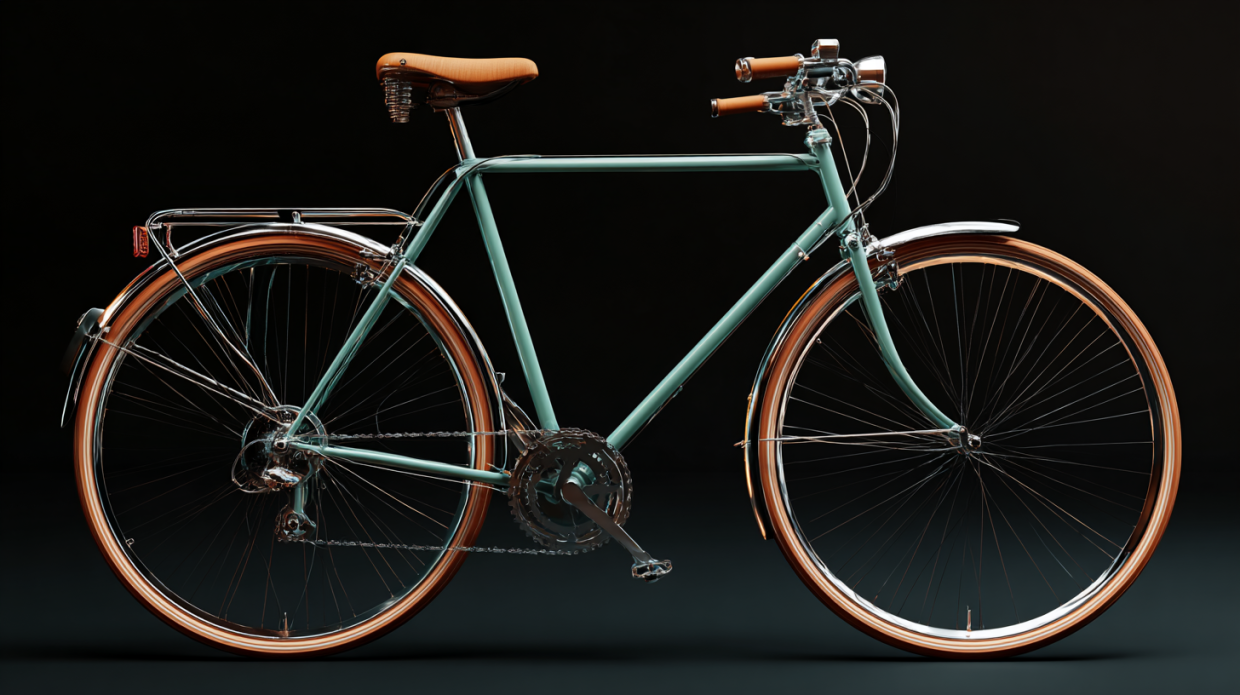
Steel, cycling’s most traditional frame material, maintains an important place in the Nishiki lineup. Nishiki steel frames are crafted from high-quality tubing that provides the legendary ride quality that has made steel a favorite among touring cyclists and those who prioritize comfort over pure performance. These frames are designed to last decades with proper care, developing the kind of character that only comes with years of faithful service.
The integration of these materials with modern manufacturing techniques results in bicycles that honor Nishiki’s heritage while embracing contemporary performance standards. Each frame is designed using computer modeling that optimizes the tube shapes and joint angles for the intended use, whether that’s efficient road riding, capable trail handling, or comfortable recreational cycling.
Pricing and Accessibility: Making Quality Affordable
Understanding how much a Nishiki Bike costs requires looking beyond simple price tags to consider the complete value proposition these bicycles offer. In an industry where marketing budgets sometimes seem to outweigh engineering investments, Nishiki has maintained its focus on delivering maximum bicycle for minimum expenditure.
Entry-level Nishiki Bikes typically start in the range that makes them accessible to budget-conscious cyclists without compromising on basic quality. These aren’t department store bikes with recognizable names slapped on inferior products – they’re genuine Nishiki bicycles that incorporate the same design philosophy and attention to detail as more expensive models. The differences lie primarily in component specifications and frame materials rather than fundamental build quality.
Mid-range Nishiki offerings represent perhaps the sweet spot in the brand’s lineup, providing upgrades in components and materials that deliver noticeable performance improvements while maintaining the value orientation that defines the brand. These bicycles often feature aluminum frames with more sophisticated tube shapes, better component groups, and refinements that enhance both performance and durability.
Higher-end Nishiki Bikes demonstrate that the brand can compete with much more expensive alternatives when cyclists desire premium features. These models might incorporate carbon fiber elements, high-end component groups, or specialized features for specific types of riding. Even at these price points, Nishiki maintains its value focus, ensuring that every dollar spent translates into tangible improvements in the riding experience.
The pricing strategy reflects Nishiki’s understanding that different cyclists have different needs and budgets. A commuter looking for reliable transportation has different requirements than a weekend warrior seeking performance improvements, and Nishiki Bikes are priced accordingly. This approach ensures that the brand remains accessible to cyclists at every level while providing upgrade paths for those whose needs evolve over time.
Where to Find Your Perfect Nishiki
The availability of Nishiki Bikes reflects the brand’s commitment to reaching cyclists wherever they are, rather than limiting sales to exclusive boutique shops or online-only channels. This accessibility philosophy means that whether you prefer to shop in person or online, you’ll likely find Nishiki options that fit your needs and preferences.
Major sporting goods retailers have embraced Nishiki Bikes because they align perfectly with the needs of their customers. Stores like Dick’s Sporting Goods recognize that many of their cycling customers are looking for quality bicycles that don’t require expert knowledge to select and maintain. Nishiki’s reputation for reliability and straightforward design makes them ideal for these retail environments, where knowledgeable staff can help match customers with appropriate models without needing extensive technical expertise.
The presence of Nishiki Bikes in these mainstream retail environments shouldn’t be interpreted as a compromise in quality – rather, it reflects the brand’s democratic approach to cycling. While some manufacturers cultivate exclusivity through limited distribution, Nishiki believes that good bicycles should be available to anyone who wants to ride. This philosophy extends to their dealer support and customer service, ensuring that no matter where you purchase your Nishiki, you’ll receive the same level of support.
Independent bike shops also carry Nishiki Bikes, particularly those that focus on serving recreational cyclists and commuters rather than pure performance enthusiasts. These shops appreciate Nishiki’s reliability and the fact that the bikes are designed with serviceability in mind. When problems do arise, they can be addressed with standard tools and readily available parts, making warranty work and routine maintenance straightforward for shop mechanics.
Beginner-Friendly Excellence
For those new to cycling, the question of whether Nishiki Bikes are good for beginners touches on more than just bicycle quality – it encompasses the entire experience of entering the cycling world. Nishiki has long understood that a beginner’s first bicycle can determine whether they develop a lifelong passion for cycling or abandon it after a few frustrating experiences.
Nishiki Bikes designed for beginners prioritize user-friendly features that make the learning process enjoyable rather than intimidating. The geometry is typically more relaxed than pure performance bikes, providing stability and confidence for riders who are still developing their bike handling skills. The riding position keeps new cyclists upright and comfortable, reducing the physical demands that might discourage continued riding.
Component selection on beginner-oriented Nishiki Bikes focuses on reliability and ease of use rather than cutting-edge performance. Shifting systems are chosen for their intuitive operation and consistent performance, allowing new riders to focus on enjoying their rides rather than mastering complex mechanical systems. Braking systems provide confident stopping power with predictable modulation, crucial for building the confidence that encourages continued cycling.
The durability built into every Nishiki Bike is particularly important for beginners, who may not yet have developed the bike handling skills that prevent minor crashes and impacts. These bikes are designed to shrug off the inevitable learning experiences that come with developing cycling skills, maintaining their performance and appearance despite occasional encounters with curbs, trail obstacles, or garage walls.
Perhaps most importantly, Nishiki Bikes for beginners are designed to grow with the rider’s developing skills and interests. Rather than being dead-end choices that quickly become limiting, these bicycles can serve as capable platforms for increasingly ambitious rides and adventures. This growth potential means that a beginner’s Nishiki can remain relevant and enjoyable long after they’ve mastered the basics of cycling.
Competitive Landscape: Nishiki vs. The World
When comparing Nishiki Bikes to established competitors like Trek or Schwinn, it’s important to understand that each brand has carved out its own particular niche in the cycling market. These comparisons reveal not better or worse choices, but different philosophies about what makes a great bicycle.
Trek represents the performance-oriented approach to bicycle design, with extensive involvement in professional racing and a focus on technological innovation. Trek bikes often incorporate the latest materials and design concepts, appealing to cyclists who want access to the same technology used by professional racers. While this approach produces excellent bicycles, it often comes with pricing that reflects the research and development costs associated with cutting-edge technology.
Nishiki Bikes, by contrast, focus on proven designs and materials that deliver reliable performance without the premium associated with being first to market with new technologies. This doesn’t mean Nishiki is behind the times – rather, they prefer to let others work out the inevitable bugs in new technologies before incorporating refined versions into their own designs. The result is bicycles that may not have the latest exotic features but are thoroughly debugged and optimized for real-world use.
Schwinn occupies a unique position in American cycling, with a heritage that predates both Nishiki and Trek. Modern Schwinn bikes range from budget-oriented models sold in big-box stores to higher-end offerings that compete directly with other established brands. The comparison between Schwinn and Nishiki Bikes often comes down to specific models rather than brand-wide generalizations, as both companies produce bicycles across a wide range of price points and intended uses.
What sets Nishiki Bikes apart in these comparisons is their consistent focus on value and practicality across their entire range. While other brands might have standout models alongside disappointing ones, Nishiki maintains more consistent quality and value propositions throughout their lineup. This consistency makes the brand particularly appealing to cyclists who want to know that whatever Nishiki model they choose will meet the company’s standards for quality and performance.
Technical Specifications and Performance
The weight of a typical Nishiki Bike reflects the brand’s balanced approach to bicycle design, prioritizing practical performance over absolute minimums. Rather than pursuing weight savings at any cost, Nishiki engineers focus on optimizing the strength-to-weight ratio to create bicycles that are light enough to be enjoyable while remaining durable enough for long-term use.
Road-oriented Nishiki Bikes typically weigh between 22 and 28 pounds, depending on frame size and component specifications. This range represents a sweet spot where the bikes feel responsive and efficient without being so light that they sacrifice durability or affordability. The weight distribution is carefully considered, with frame geometry and component placement optimized to create a balanced feel that enhances rather than hinders the riding experience.
Mountain Nishiki Bikes generally fall into the 28 to 35-pound range, reflecting the additional material and components required for off-road durability. These bikes are engineered to withstand the impacts and stresses of trail riding while remaining light enough for efficient climbing and maneuverable handling. The weight penalty associated with durability features like robust wheels and reliable suspension systems is more than offset by the confidence these features inspire on challenging terrain.
Hybrid and comfort Nishiki Bikes typically weigh between 25 and 32 pounds, striking a balance between the efficiency requirements of pavement riding and the stability needs of recreational cyclists. These bikes often incorporate features like fenders, racks, and lights that add functional weight while enhancing the bicycle’s utility for real-world transportation and recreation.
The materials used in Nishiki Bike frames are selected not just for their weight characteristics but for their complete performance profile. Aluminum frames provide excellent stiffness-to-weight ratios while maintaining reasonable costs, making them ideal for performance-oriented models. Steel frames offer superior vibration damping and repairability, making them perfect for touring and comfort applications where absolute weight minimization is less critical than long-term durability and rider comfort.
Off-Road Capabilities and Adventure Ready
The durability of Nishiki Bikes for off-road cycling stems from the brand’s understanding that trail riding demands different priorities than road cycling. While road bikes can focus primarily on efficiency and aerodynamics, off-road machines must balance performance with the ability to handle impacts, debris, and unpredictable terrain that would quickly destroy a machine built purely for speed.
Nishiki mountain bikes are engineered with frame geometries that provide stability and control on technical terrain while maintaining the efficiency needed for climbing and extended rides. The suspension systems, where present, are tuned for versatility rather than specialization, providing enough travel to handle significant impacts while maintaining pedaling efficiency on smooth trails. This balanced approach makes Nishiki mountain bikes particularly appealing to riders who tackle varied terrain rather than specializing in specific types of trails.
The component specifications on off-road Nishiki Bikes prioritize reliability and ease of maintenance over absolute performance. Drivetrain components are selected for their ability to function consistently despite exposure to dirt, water, and debris. Brake systems provide confident stopping power with minimal maintenance requirements, crucial for riders who want to focus on enjoying their rides rather than constantly adjusting and cleaning their bikes.
Wheel and tire combinations on Nishiki mountain bikes are designed to handle the complete range of conditions that recreational trail riders encounter. Rather than optimizing for specific terrain types, these bikes come equipped with versatile tire treads and durable wheel builds that perform adequately in most conditions while providing the durability to handle occasional encounters with rocks, roots, and other trail hazards.
The frame construction techniques used in off-road Nishiki Bikes incorporate reinforcements in high-stress areas without adding unnecessary weight throughout the entire structure. This targeted approach to durability enhancement ensures that the bikes can handle significant impacts and stresses while remaining light enough for enjoyable climbing and efficient riding on less demanding terrain.
Sizing and Fit: Finding Your Perfect Match
Choosing the right size Nishiki Bike involves more than just matching your height to a sizing chart – it requires understanding how different frame geometries and sizing philosophies affect the riding experience. Nishiki’s approach to sizing reflects their practical philosophy, offering ranges that accommodate a wide variety of body types and riding preferences.
Nishiki Bike sizing typically follows industry standards while incorporating subtle refinements that enhance fit for a broader range of riders. The frame geometries are designed to be forgiving, allowing some variation in stem length and saddle positioning to fine-tune the fit without requiring expensive custom modifications. This flexibility is particularly valuable for families where multiple riders might share a bicycle or for individuals whose flexibility and riding style evolve over time.
The standover height on most Nishiki Bikes is conservative, ensuring that riders can comfortably straddle the bike while maintaining clearance for safe dismounting. This attention to practical considerations is especially important for recreational riders who may need to stop quickly or dismount in unexpected situations. The compromise in frame efficiency is minimal while the improvement in confidence and safety is significant.
Reach and stack measurements on Nishiki Bikes are optimized for comfort and control rather than pure aerodynamic efficiency. This results in riding positions that most cyclists can maintain comfortably for extended periods without developing the flexibility and core strength that more aggressive positions require. The geometry still allows for sporty riding when desired while remaining accessible to riders of varying fitness levels and physical capabilities.
Women-specific models in the Nishiki Bike lineup incorporate subtle geometry modifications that account for typical differences in proportions and flexibility between male and female riders. These changes go beyond simple color and accessory modifications to include actual frame geometry adjustments that improve fit and comfort for female cyclists. The result is bicycles that feel natural and comfortable rather than like compromised versions of men’s bikes.
Warranty Protection and Support
The warranty coverage provided with Nishiki Bikes reflects the brand’s confidence in their manufacturing quality while acknowledging the realities of bicycle ownership. Unlike some manufacturers who offer elaborate warranty terms that are difficult to actually utilize, Nishiki provides straightforward coverage that addresses the most common concerns of bicycle owners.
Nishiki Bike warranties typically cover manufacturing defects in the frame and fork for several years, recognizing that these are the most expensive components to replace and the most likely to cause complete bicycle failure if they fail. The coverage is designed to be accessible through the dealer network, ensuring that warranty claims can be processed efficiently without requiring direct interaction with distant corporate offices.
Component warranties on Nishiki Bikes are generally handled by the component manufacturers themselves, following industry-standard practices. This approach ensures that cyclists receive appropriate coverage for items like derailleurs, brakes, and wheels while allowing Nishiki to focus their support efforts on the aspects of the bicycle that they directly control. The result is more responsive service and clearer responsibility for different aspects of the bicycle.
The warranty support structure for Nishiki Bikes is designed to work through the existing dealer network, ensuring that cyclists can receive help from knowledgeable local mechanics rather than dealing with remote call centers. This approach provides more personalized service while supporting the local bike shops that are crucial to the cycling community. Dealers are typically well-trained in Nishiki-specific procedures and have direct access to technical support when unusual issues arise.
Beyond formal warranty coverage, Nishiki Bikes are designed with long-term serviceability in mind. Standard components and conventional construction techniques ensure that maintenance and repairs can be performed by any competent mechanic using readily available parts. This practical approach to design means that even after warranty coverage expires, keeping a Nishiki running smoothly remains straightforward and affordable.
Long-Distance Comfort and Touring Potential
The suitability of Nishiki Bikes for long-distance riding stems from the brand’s understanding that comfort and efficiency must work together to create an enjoyable experience over extended periods. While pure racing bikes might prioritize aerodynamics over comfort, Nishiki recognizes that most long-distance riding is about endurance and enjoyment rather than pure speed.
Nishiki Bikes designed for touring and long-distance riding incorporate frame geometries that provide stability and comfort without sacrificing too much efficiency. The slightly more relaxed angles and longer wheelbases characteristic of these models improve comfort over rough surfaces while providing the stable handling that’s crucial when carrying luggage or riding in windy conditions. These geometry choices make the bikes more predictable and less fatiguing over long distances.
The frame materials used in touring-oriented Nishiki Bikes prioritize vibration damping and long-term durability over absolute weight minimization. Steel frames, where used, provide the compliance and repairability that make them ideal for extended tours where comfort and reliability matter more than racing performance. Even aluminum touring frames are designed with tube shapes and wall thicknesses that optimize comfort and durability for long-distance use.
Component specifications on long-distance Nishiki Bikes focus on reliability and ease of maintenance rather than cutting-edge performance. Drivetrain systems are chosen for their ability to function consistently over thousands of miles with minimal adjustment, while brake systems provide reliable stopping power with components that can be easily serviced or replaced in remote locations. These practical considerations become increasingly important as ride distances extend into multi-day adventures.
The mounting points and clearances built into touring Nishiki Bikes accommodate the accessories that make long-distance riding practical and enjoyable. Rack mounts, fender clearances, and cable routing are designed to work with the wide range of accessories that touring cyclists depend on. This attention to practical details distinguishes true touring bikes from racing bikes with token touring features.
Assembly and Maintenance Considerations
The assembly process for Nishiki Bikes is designed to be straightforward for competent home mechanics while remaining accessible to professional bike shops with varying levels of experience with the brand. The bikes typically arrive partially assembled, with the major components already attached and adjusted, requiring final assembly of items like wheels, pedals, and handlebars.
Nishiki Bike assembly instructions are generally clear and comprehensive, recognizing that many customers prefer to perform their own assembly or want to understand the process even if they have it done professionally. The hardware and components are designed to work together predictably, with standard tools and conventional techniques sufficient for most assembly tasks. This approach reduces the likelihood of assembly errors while making the process accessible to a wider range of mechanics.
The maintenance requirements for Nishiki Bikes reflect the brand’s practical approach to design, with service intervals and procedures that align with real-world usage patterns rather than theoretical ideals. Components are selected and integrated in ways that minimize the need for frequent adjustments while making necessary maintenance tasks straightforward and predictable.
Regular maintenance schedules for Nishiki Bikes can typically be handled by any competent bike shop, with no special tools or procedures required for routine services like tune-ups, brake adjustments, or drivetrain cleaning. This accessibility is particularly valuable for cyclists who travel frequently or live in areas with limited specialized bike service options.
The availability of service documentation and technical support for Nishiki Bikes ensures that both professional mechanics and dedicated home mechanics can access the information they need to keep these bicycles running smoothly. Technical specifications, torque values, and adjustment procedures are readily available, supporting proper maintenance and preventing the problems that can arise from incorrect service procedures.
Family Cycling and Youth Models
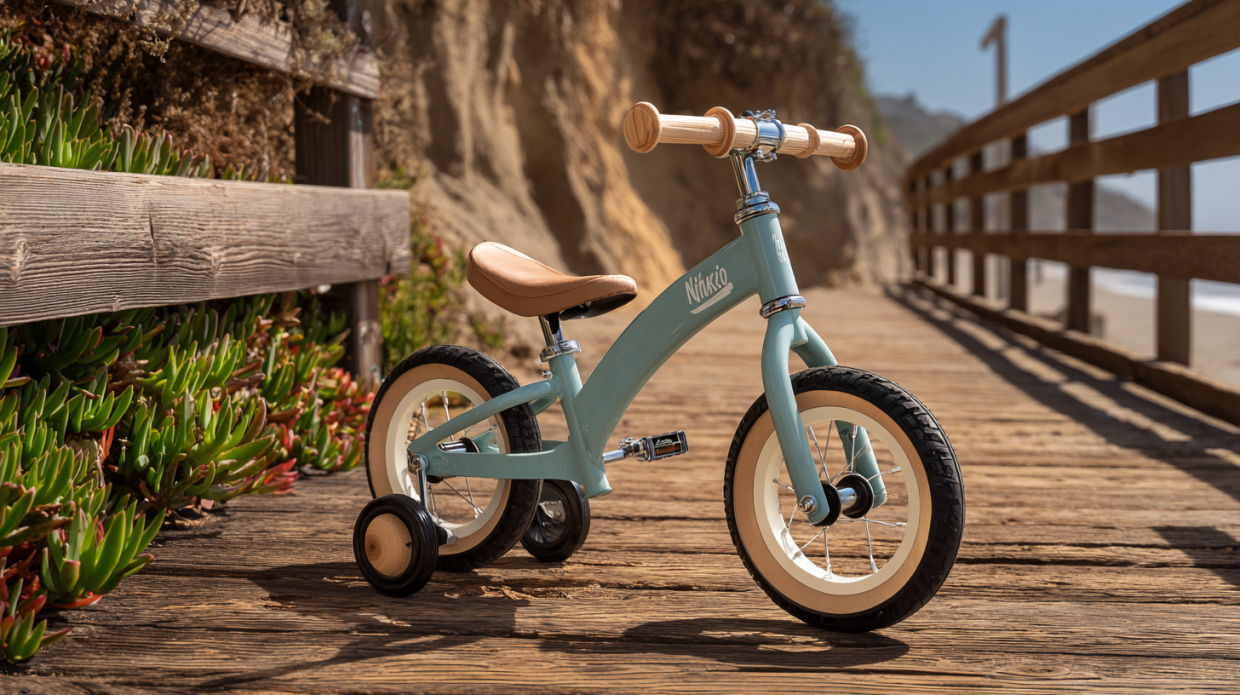
The availability of Nishiki Bikes in children’s sizes reflects the brand’s commitment to serving cyclists of all ages and experience levels. These aren’t simply scaled-down versions of adult bikes, but carefully designed machines that account for the specific needs and capabilities of young riders while maintaining the quality standards that define the Nishiki brand.
Children’s Nishiki Bikes incorporate proportional geometry that fits young riders properly rather than forcing them to adapt to inappropriate frame sizes. The reach to handlebars and brake levers is optimized for smaller hands and shorter arms, while saddle heights and pedal positions are designed to provide proper leg extension for efficient and comfortable pedaling. These attention to fit details make learning to ride easier and more enjoyable for young cyclists.
Safety features on youth Nishiki Bikes are carefully integrated without creating excessive complexity that might confuse or intimidate young riders. Brake systems provide adequate stopping power with lever designs that small hands can operate effectively, while drivetrain systems are simplified to reduce the likelihood of mechanical problems that might strand a young rider or create dangerous situations.
The durability built into children’s Nishiki Bikes recognizes that young riders are often harder on equipment than adults, whether through inexperience, enthusiasm, or simple lack of concern for mechanical sympathy. These bikes are designed to withstand the inevitable crashes, impacts, and general abuse that come with learning to ride while maintaining their performance and safety characteristics throughout their service life.
Growth accommodation features on some Nishiki Bikes for children allow the bicycles to remain useful as young riders develop, extending the useful life of the investment while ensuring continued proper fit. Adjustable stem heights, seat post extensions, and other features can provide several years of appropriate sizing, making these bikes practical long-term choices for growing families.
The Vintage Nishiki Market and Collector Interest
The market for vintage Nishiki Bikes reflects the brand’s historical significance in the development of American cycling culture, with certain models commanding respect and prices that reflect their importance in cycling history. These bikes represent a tangible connection to the era when Japanese manufacturing was revolutionizing the American bicycle market, offering alternatives to the heavy, utilitarian machines that had previously dominated.
Vintage Nishiki Bikes from the 1970s and early 1980s are particularly sought after by collectors and enthusiasts who appreciate their combination of Japanese craftsmanship and period-appropriate components. Models like the International and Professional series represent the pinnacle of Nishiki’s early offerings, featuring high-quality lugged steel frames and component groups that were considered state-of-the-art for their time.
The investment potential of vintage Nishiki Bikes varies significantly depending on model, condition, and historical significance. While these bikes are unlikely to appreciate at the rate of the most exotic vintage racing machines, well-preserved examples of significant models can maintain or increase their value over time. More importantly for most owners, these bikes often provide excellent riding experiences that justify their purchase purely on practical grounds.
Restoration considerations for vintage Nishiki Bikes are generally favorable due to the brand’s use of standard components and conventional construction techniques. Parts availability is typically good for major components, while frame repairs can be performed by any competent framebuilder familiar with lugged steel construction. This serviceability means that vintage Nishiki bikes can be returned to excellent riding condition without prohibitive expense or exotic expertise.
The riding characteristics of vintage Nishiki Bikes often surprise modern cyclists accustomed to contemporary geometry and materials. These bikes typically offer a more relaxed, comfortable riding experience compared to modern performance-oriented machines, with frame geometry and materials that prioritize stability and vibration damping over pure efficiency. For many riders, these characteristics make vintage Nishiki bikes ideal for recreational riding and light touring applications.
Conclusion: The Enduring Appeal of Nishiki
As we conclude this exploration of Nishiki Bikes, it becomes clear that the brand’s enduring appeal stems from a consistent philosophy that has remained relevant despite decades of industry changes and technological evolution. In a world where cycling often seems to be becoming increasingly specialized and expensive, Nishiki continues to demonstrate that quality, practicality, and value can coexist in the same package.
The Nishiki Bike story is ultimately about democracy in cycling – the belief that good bicycles should be accessible to anyone who wants to ride, regardless of their budget, experience level, or competitive aspirations. This philosophy has guided the brand through multiple generations of cyclists, each finding in Nishiki bikes the reliable companionship that makes cycling such a enduring source of joy and adventure.
Whether you’re considering your first Nishiki Bike or adding another to a collection that spans decades, you’re not just buying a bicycle – you’re joining a tradition that values substance over style, function over fashion, and real-world performance over theoretical perfection. In an industry that sometimes seems to prioritize marketing over engineering, Nishiki stands as a reminder that the best bicycles are often the ones that simply, reliably, and enjoyably do exactly what they’re supposed to do: carry you forward on whatever adventure awaits just down the road.
The future of Nishiki Bikes appears bright, with the brand continuing to evolve while maintaining the core values that have defined it for generations. As cycling continues to grow and diversify, the need for accessible, reliable, and well-designed bicycles becomes only more important. Nishiki seems well-positioned to continue serving this need, carrying forward the legacy of Japanese craftsmanship and practical engineering that has made the brand a trusted name in cycling for more than half a century.