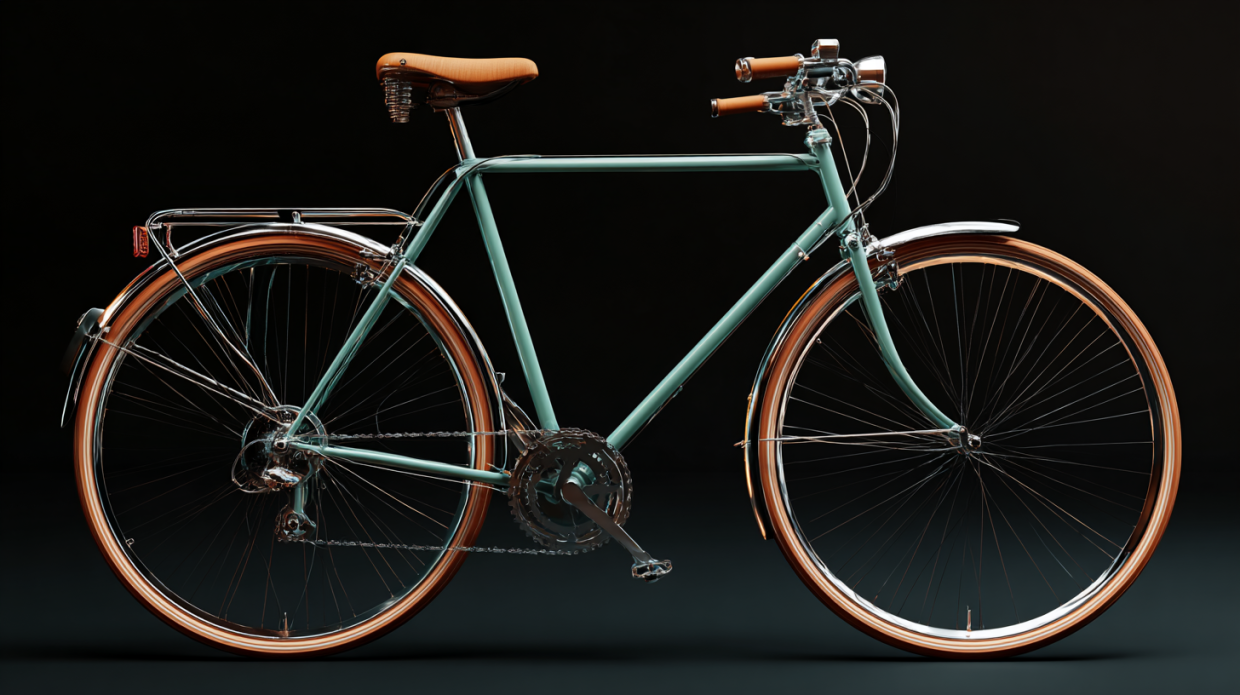
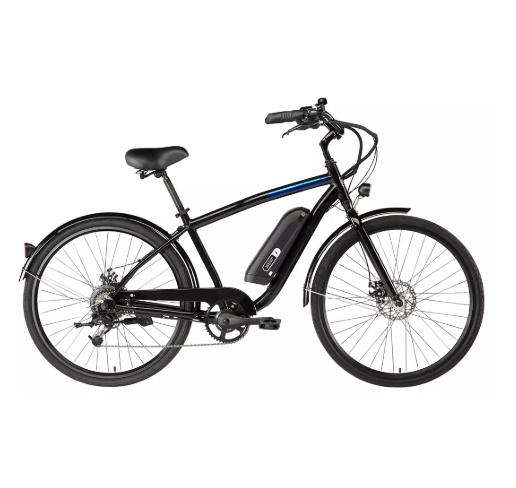
Nishiki Men’s Escalante Electric Comfort Bike
- 36V-Lithium Ion Battery Power
- Cruiser Comfort Seat
- 7-Speed Shifting
Discovering the Perfect Balance Between Performance, Affordability, and Reliability in Modern E-Cycling
The electric bike revolution has transformed how we think about transportation, recreation, and daily commuting. Among the myriad options flooding the market, the Nishiki Escalante Electric Bike stands out as a compelling choice that bridges the gap between premium performance and accessible pricing. This comprehensive exploration delves deep into what makes this e-bike a noteworthy contender in today’s competitive landscape.
Electric bicycles have evolved from niche curiosities to mainstream transportation solutions, and the Nishiki Escalante represents this evolution beautifully. Manufactured by a brand with decades of cycling heritage, this electric bike embodies the marriage of traditional craftsmanship with cutting-edge technology. Whether you’re a seasoned cyclist looking to extend your range or a newcomer seeking an approachable entry into the world of e-bikes, the Escalante offers a unique proposition that deserves careful consideration.
Unveiling the Core Features That Define Excellence
The Nishiki Escalante Electric Bike comes packed with features that reflect thoughtful engineering and user-centric design. At its heart lies a robust aluminum frame that strikes an optimal balance between durability and weight management. This foundation provides the structural integrity needed for both urban commuting and light trail adventures while maintaining a manageable overall weight that won’t leave you struggling when the battery runs low.
The bike’s geometry has been carefully crafted to accommodate a wide range of riders, featuring an upright riding position that promotes comfort during extended journeys. The frame design incorporates modern aesthetics with practical considerations, including integrated cable routing that keeps the overall appearance clean while protecting essential components from the elements. This attention to detail extends throughout the bike, creating a cohesive product that feels both contemporary and timeless.
One of the most impressive aspects of the Escalante’s feature set is its comprehensive component selection. The bike comes equipped with quality parts that you’d typically expect to find on much more expensive models. From the reliable shifting system to the comfortable saddle, every component has been chosen to contribute to an overall riding experience that exceeds expectations for its price point.
The Nishiki Escalante Electric Bike also incorporates practical features that enhance its usability as a daily transportation tool. Mounting points for accessories, a sturdy kickstand, and thoughtful design elements like reflective accents all contribute to making this bike ready for real-world use right out of the box. These seemingly small details accumulate to create a riding experience that feels polished and well-considered.
Breaking Down the Investment: Understanding the Cost Factor
When examining the Nishiki Escalante Electric Bike from a financial perspective, its positioning becomes immediately apparent. Priced competitively in the mid-range electric bike market, the Escalante typically retails between $1,200 and $1,800, depending on the specific model variant and current market conditions. This pricing strategy places it squarely in the sweet spot for consumers seeking electric bike capabilities without the premium price tag associated with high-end models.
The value proposition becomes even more compelling when you consider what’s included at this price point. Unlike many budget electric bikes that cut corners on essential components, the Escalante maintains quality across its entire specification. The motor, battery, and drivetrain components all represent solid mid-tier selections that provide reliable performance and reasonable longevity when properly maintained.
Comparing the Escalante’s cost to similar offerings in the market reveals its competitive advantage. While premium electric bikes can easily exceed $3,000 or even $4,000, and budget options often compromise on crucial components like battery capacity or motor reliability, the Nishiki Escalante Electric Bike occupies a middle ground that offers genuine value. This positioning makes it accessible to a broader range of consumers while still delivering a quality experience that won’t disappoint.
The long-term cost considerations also favor the Escalante. With reasonable maintenance requirements and the availability of replacement parts through established dealer networks, the total cost of ownership remains manageable. When factored against potential savings on fuel, parking, and public transportation costs, the bike can pay for itself over time for regular commuters.
Commuting Excellence: Is the Escalante Your Daily Driver?
The Nishiki Escalante Electric Bike shines particularly bright when evaluated as a commuting solution. Its design philosophy clearly prioritizes the needs of daily riders, incorporating features that make regular use both practical and enjoyable. The comfortable riding position reduces strain during longer commutes, while the electric assist ensures you arrive at your destination without excessive perspiration.
Range anxiety, a common concern among potential e-bike commuters, becomes less problematic with the Escalante’s respectable battery capacity. Most daily commutes fall well within the bike’s operational range, and the pedal-assist functionality allows riders to extend that range significantly when needed. The ability to adjust assistance levels means you can conserve battery power for challenging hills or headwinds while pedaling more actively on easier segments of your route.
The bike’s urban-friendly features extend beyond just the motor and battery. The lighting system, while basic, provides essential visibility for dawn and dusk commuting. The tire selection offers a good compromise between rolling efficiency on pavement and enough grip for occasional off-road shortcuts or unpaved paths that might be part of your regular route.
Weather resistance represents another crucial factor for commuting reliability. The Nishiki Escalante Electric Bike incorporates reasonable protection for its electrical components, though like most e-bikes in this price range, it’s not designed for sustained riding in heavy rain. For typical commuting scenarios, including light precipitation and morning dew, the bike performs admirably without requiring extensive preparation or special care.
Storage and cargo capacity also factor into commuting effectiveness. While the Escalante doesn’t come with built-in cargo solutions, its frame design accommodates standard rack and basket accessories, allowing commuters to customize their carrying capacity based on individual needs. This flexibility makes it suitable for everything from minimalist commuting to grocery runs and equipment transport.
Performance Metrics: Speed, Range, and Real-World Capability
Understanding the performance characteristics of the Nishiki Escalante Electric Bike requires examining both its specifications and real-world behavior. The bike’s top speed capability aligns with industry standards for Class 2 electric bicycles, typically reaching speeds of up to 20 mph when using throttle assistance alone. This speed limit represents a balance between performance and regulatory compliance, ensuring the bike can be used on most bike paths and trails without restriction.
However, raw top speed tells only part of the performance story. The motor’s power delivery characteristics significantly impact the riding experience, and the Escalante’s system provides smooth, predictable assistance that feels natural rather than abrupt. The acceleration from a standstill is progressive, making the bike accessible to riders who might be intimidated by more aggressive electric bike systems.
Range performance varies considerably based on usage patterns, terrain, and rider input. Under ideal conditions with moderate pedal assistance, the Nishiki Escalante Electric Bike can achieve ranges of 25 to 40 miles on a single charge. Real-world range will typically fall somewhere in the middle of this spectrum, with factors like hills, headwinds, rider weight, and assistance level all playing significant roles in determining actual distance capability.
The bike’s climbing ability represents another crucial performance metric, particularly for riders dealing with hilly terrain. The motor provides adequate torque for moderate inclines, though extremely steep hills may require increased rider input to maintain reasonable speeds. This characteristic makes the Escalante well-suited for rolling terrain and moderate hills while potentially limiting its appeal for riders facing consistently steep climbing challenges.
The Heart of the Machine: Motor Technology and Implementation
The motor system powering the Nishiki Escalante Electric Bike represents a carefully balanced approach to electric assistance. Typically featuring a rear hub motor design, this configuration offers several advantages including simplicity, reliability, and cost-effectiveness. Hub motors place the electric assistance directly at the wheel, providing immediate power delivery that feels intuitive to most riders.
The specific motor specifications usually include a 500-watt nominal power output, which provides sufficient assistance for most riding scenarios without overwhelming the bike’s other components. This power level strikes an effective balance between performance and efficiency, offering enough assistance to tackle hills and headwinds while maintaining reasonable battery consumption during normal riding.
Motor placement at the rear hub also contributes to improved traction, particularly when climbing hills or riding on loose surfaces. The additional weight over the rear wheel can enhance grip, though it also affects the bike’s handling characteristics slightly compared to mid-drive alternatives. Most riders adapt quickly to these handling differences, and many actually prefer the stable, predictable feel of rear hub motor systems.
The Nishiki Escalante Electric Bike motor integrates with sophisticated control systems that manage power delivery based on rider input and selected assistance levels. These systems typically offer multiple assistance modes, allowing riders to customize the amount of electric help they receive. This flexibility enables everything from minimal assistance that extends range to maximum assistance for challenging conditions or when arriving sweat-free is a priority.
Reliability considerations favor the hub motor approach used in the Escalante. With fewer moving parts and less complex integration compared to mid-drive systems, hub motors generally require less maintenance and prove more durable over extended use. This reliability advantage aligns well with the bike’s positioning as a practical transportation tool rather than a high-performance sporting implement.
Power Storage and Management: Battery Technology Deep Dive
The battery system of the Nishiki Escalante Electric Bike employs lithium-ion technology, representing the current standard for electric bicycle applications. These batteries offer an excellent combination of energy density, cycle life, and charging characteristics that make them ideal for transportation use. The specific capacity typically ranges from 10 to 14 amp-hours, providing the energy storage necessary for the bike’s advertised range capabilities.
Battery placement on the Escalante usually involves a frame-integrated design that maintains the bike’s aesthetic appeal while providing reasonable protection for this critical component. The mounting system allows for relatively easy removal, facilitating charging in locations where bringing the entire bike indoors isn’t practical. This removability also enhances security, as the battery represents one of the most valuable and theft-prone components of any electric bike.
Charging characteristics play a crucial role in daily usability. The Nishiki Escalante Electric Bike battery typically requires 4 to 6 hours for a complete charge from empty, though most charging scenarios involve topping off a partially depleted battery, which takes correspondingly less time. The charging system usually includes basic safety features like overcharge protection and thermal monitoring to ensure safe operation and maximum battery lifespan.
Battery management systems integrated into the Escalante help optimize performance and longevity. These systems monitor individual cell voltages, manage charging and discharging rates, and provide feedback to the rider about remaining capacity. While not as sophisticated as systems found on premium e-bikes, the Escalante’s battery management provides adequate functionality for most users’ needs.
Long-term battery considerations include both replacement costs and disposal requirements. Quality lithium-ion batteries typically provide 500 to 1,000 charge cycles before experiencing significant capacity degradation, translating to several years of normal use for most riders. When replacement becomes necessary, the relatively standard battery format used in the Nishiki Escalante Electric Bike helps keep costs reasonable compared to proprietary battery systems found on some competitors.
Pedal-Assist Innovation: Enhancing the Natural Cycling Experience
The pedal-assist functionality of the Nishiki Escalante Electric Bike represents one of its most sophisticated features, transforming the fundamental cycling experience while maintaining the natural feel that makes bicycling enjoyable. This system uses sensors to detect when the rider is pedaling and automatically provides electric assistance proportional to the selected assistance level and pedaling effort.
Most implementations of pedal-assist on the Escalante include multiple assistance levels, typically ranging from three to five distinct modes. The lowest assistance level provides subtle support that extends range and reduces effort without dramatically changing the cycling experience. Higher assistance levels offer increasingly aggressive support, culminating in maximum assistance that can make even challenging terrain feel effortless.
The sensor systems that enable pedal-assist functionality usually combine cadence detection with torque sensing capabilities. Cadence sensors detect when the pedals are turning, while torque sensors measure how hard the rider is pushing. This combination allows the system to provide assistance that feels natural and responsive, avoiding the abrupt engagement that characterizes simpler systems.
Fine-tuning of the pedal-assist system contributes significantly to the overall riding experience. The Nishiki Escalante Electric Bike typically features programming that provides smooth power delivery with minimal delay between pedaling input and electric assistance. This responsiveness makes the system feel intuitive, even for riders new to electric bicycles.
The ability to completely disable pedal-assist allows the Escalante to function as a conventional bicycle when desired. This flexibility proves valuable for riders who want to exercise without assistance, conserve battery power, or simply experience traditional cycling. The transition between assisted and unassisted riding happens seamlessly, maintaining the bike’s versatility across different riding scenarios.
Weight Considerations: Balancing Performance and Portability
Understanding the weight characteristics of the Nishiki Escalante Electric Bike requires examining both absolute weight and weight distribution. The complete bike typically weighs between 50 and 60 pounds, placing it in the middle range for electric bicycles. While significantly heavier than traditional bicycles, this weight represents a reasonable compromise given the inclusion of motor, battery, and reinforced components necessary for electric operation.
Weight distribution plays a crucial role in handling characteristics. The rear hub motor placement concentrates additional weight at the back wheel, while the battery location affects front-to-rear balance. The Escalante’s design team has worked to optimize these weight placements, creating a bike that feels stable and predictable despite the additional mass of electric components.
For practical considerations, the bike’s weight impacts several usage scenarios. Lifting the bike onto car racks, carrying it up stairs, or maneuvering it in tight spaces all become more challenging compared to conventional bicycles. However, the electric assistance largely compensates for the additional weight during normal riding, and many users find the performance benefits outweigh the weight penalties.
The Nishiki Escalante Electric Bike represents a thoughtful approach to weight management within the constraints of its price point and feature set. While premium electric bikes may achieve lower weights through exotic materials and more expensive components, the Escalante’s weight represents a practical balance that most users find acceptable given its capabilities and cost.
Compared to other electric bikes in its category, the Escalante’s weight falls within expected parameters. Budget electric bikes may be slightly lighter due to smaller batteries or less robust construction, while premium models might be lighter despite larger batteries due to carbon fiber frames and premium components. The Escalante occupies a middle ground that prioritizes durability and value over absolute weight minimization.
Beginner-Friendly Design: Accessibility and Ease of Use
The Nishiki Escalante Electric Bike excels as a platform for riders new to electric bicycles, incorporating design elements and features that reduce the learning curve associated with e-bike adoption. The bike’s geometry promotes a comfortable, confidence-inspiring riding position that helps new riders feel secure while adapting to electric assistance.
Control systems on the Escalante prioritize simplicity and intuitive operation. The display and control interface typically features large, easy-to-read indicators and straightforward button layouts that don’t overwhelm new users with excessive complexity. Essential information like battery level, assistance mode, and speed are clearly presented without cluttering the interface with advanced metrics that beginners rarely need.
The bike’s power delivery characteristics also favor novice riders. Rather than aggressive, race-oriented assistance that might surprise inexperienced users, the Escalante provides smooth, predictable power that feels like a natural extension of pedaling effort. This approach builds confidence and allows new riders to gradually adapt to electric assistance without feeling overwhelmed.
Safety features and considerations throughout the Nishiki Escalante Electric Bike design help protect less experienced riders. The braking system provides adequate stopping power for the bike’s weight and speed capabilities, while the lighting system ensures visibility during dawn and dusk riding when many commuters are active. These features work together to create a safer riding environment for users still developing their e-bike skills.
The relatively straightforward maintenance requirements of the Escalante also benefit beginners who may be intimidated by complex electric bike systems. Basic care like tire pressure checks, chain lubrication, and brake adjustments follow conventional bicycle procedures, while the electric components generally require minimal user intervention during normal operation.
Trail Capability: Exploring Off-Road Potential
While primarily designed for urban and suburban riding, the Nishiki Escalante Electric Bike possesses sufficient capability for light off-road adventures. The bike’s tire selection, typically featuring semi-knobby or hybrid tread patterns, provides adequate traction for packed dirt trails, gravel paths, and other mild off-road surfaces.
The motor’s torque characteristics contribute to off-road capability by providing additional power for challenging sections like loose climbs or sandy surfaces. The electric assistance helps maintain momentum through difficult terrain that might otherwise require dismounting or walking. This capability expands the bike’s versatility, allowing riders to explore beyond paved surfaces when the opportunity arises.
Suspension considerations for off-road riding typically involve front suspension forks that help absorb impacts from roots, rocks, and other trail obstacles. While not as sophisticated as systems found on dedicated mountain bikes, the Escalante’s suspension provides adequate comfort for moderate trail riding while maintaining efficiency on paved surfaces.
Ground clearance and frame geometry affect the bike’s ability to navigate trail obstacles. The Nishiki Escalante Electric Bike offers reasonable clearance for typical trail debris, though riders should exercise caution around larger obstacles that might damage the motor, battery, or other components. The bike’s design prioritizes versatility rather than extreme off-road capability.
Limitations of the Escalante’s off-road capability should be understood by potential buyers. While suitable for rail-trails, fire roads, and other moderate off-road situations, the bike isn’t designed for aggressive mountain biking or technical singletrack. Understanding these limitations helps set appropriate expectations for trail riding adventures.
Braking Systems: Safety Through Reliable Stopping Power
The braking system of the Nishiki Escalante Electric Bike represents a critical safety component that has been carefully matched to the bike’s weight, speed capabilities, and intended use patterns. Most configurations feature mechanical disc brakes that provide reliable stopping power in various weather conditions while maintaining cost-effectiveness within the bike’s price range.
Disc brake technology offers several advantages over traditional rim brakes, particularly for electric bicycles. The increased stopping power helps manage the additional weight and higher speeds associated with electric assistance, while the consistent performance in wet conditions enhances safety during year-round riding. The disc brake design also reduces wear on wheel rims, extending the lifespan of these expensive components.
Brake feel and modulation on the Escalante contribute to rider confidence and safety. The mechanical disc brake system typically provides good feedback to the rider, allowing precise control over stopping force. This characteristic proves particularly valuable when riding in mixed traffic or navigating technical sections where precise speed control is essential.
Maintenance considerations for the braking system align with the bike’s overall philosophy of practical, user-friendly operation. Mechanical disc brakes are generally easier to adjust and maintain compared to hydraulic systems, making them more accessible to users who prefer to perform their own maintenance. Brake pad replacement and cable adjustments follow standard procedures that most bicycle mechanics can easily handle.
The Nishiki Escalante Electric Bike brake system also incorporates features that enhance the overall electric bike experience. Many configurations include brake sensors that automatically cut motor power when the brakes are applied, ensuring safe and predictable stopping behavior. This integration represents the kind of thoughtful engineering that distinguishes quality electric bikes from budget alternatives.
Accessories and Customization: Enhancing Functionality
The Nishiki Escalante Electric Bike typically comes equipped with essential accessories that enhance its utility as a transportation tool, while also providing mounting points and compatibility for additional customization. Basic lighting systems, usually including front and rear LED lights, provide essential visibility for dawn, dusk, and nighttime riding. These integrated lighting systems draw power from the main battery, eliminating the need for separate batteries or charging requirements.
Fender compatibility represents another practical consideration for daily use. While not always included as standard equipment, the Escalante’s frame design typically accommodates standard bicycle fenders that protect the rider from road spray and debris. This capability proves particularly valuable for commuters who ride in varying weather conditions and want to arrive at their destination clean and dry.
Rack mounting capabilities expand the bike’s cargo-carrying potential significantly. Most configurations include mounting points for standard bicycle racks, allowing users to add panniers, baskets, or other cargo solutions based on their specific needs. This flexibility makes the bike suitable for everything from daily commuting to grocery runs and recreational touring.
Kickstand inclusion might seem like a minor detail, but it significantly impacts daily usability. The Nishiki Escalante Electric Bike typically includes a sturdy kickstand that can support the bike’s weight reliably, making parking and loading much more convenient than bikes that require leaning against walls or other supports.
Customization potential extends beyond factory accessories to aftermarket options. The bike’s standard mounting points and conventional component specifications allow for upgrades and modifications using widely available bicycle parts. This compatibility ensures that users can personalize their bikes and replace worn components without being locked into proprietary systems.
Market Availability and Purchasing Considerations
The Nishiki Escalante Electric Bike enjoys relatively wide availability through multiple distribution channels, making it accessible to consumers across various geographic regions. Primary sales channels typically include sporting goods retailers, bicycle shops, and online platforms, each offering different advantages in terms of pricing, service, and support.
Bicycle shops often provide the most comprehensive buying experience, offering professional assembly, fitting services, and ongoing maintenance support. While prices may be slightly higher than other channels, the added value of professional service and local support often justifies the additional cost, particularly for first-time electric bike buyers who benefit from expert guidance.
Online purchasing options typically offer competitive pricing and convenient home delivery, though buyers should consider assembly requirements and warranty implications. Some online retailers provide professional assembly services or partnerships with local shops, bridging the gap between online convenience and professional service.
Seasonal availability patterns can affect both pricing and inventory levels. Like most recreational vehicles, electric bikes often see increased demand during spring and summer months, potentially leading to stock shortages or reduced promotional pricing. Planning purchases during off-peak periods can sometimes result in better deals and more comprehensive selection.
The Nishiki Escalante Electric Bike availability may also vary based on specific model variants and color options. Popular configurations may experience periodic stock shortages, while less common options might be readily available. Prospective buyers should consider their flexibility regarding specific features and colors when timing their purchases.
Warranty Protection and Long-Term Support
Understanding the warranty coverage for the Nishiki Escalante Electric Bike helps buyers make informed decisions and plan for long-term ownership. Typical warranty terms include frame coverage for multiple years, reflecting confidence in the structural integrity of the bike’s foundation. This extended frame warranty provides peace of mind for buyers concerned about the durability of their investment.
Electric component warranties usually differ from mechanical components, recognizing the different failure modes and expected lifespans of motors, batteries, and electronic systems. Motor warranties typically cover manufacturing defects and premature failures for one to two years, while battery warranties often specify both time and cycle limitations that reflect normal degradation patterns.
The practical aspects of warranty claims involve understanding coverage limitations and claim procedures. Like most consumer electronics, electric bike warranties typically exclude damage from misuse, accidents, or normal wear items. Understanding these limitations helps set appropriate expectations and encourages proper care and maintenance practices.
Manufacturer support extends beyond formal warranty coverage to include technical assistance, parts availability, and service documentation. The Nishiki Escalante Electric Bike benefits from being part of an established brand network that typically provides reasonable long-term support for owners. This support infrastructure proves valuable when addressing issues or performing maintenance beyond the original warranty period.
Third-party service options also contribute to long-term ownership satisfaction. The bike’s use of standard components and conventional assembly methods makes it serviceable at most qualified bicycle shops, reducing dependence on specialized dealers or manufacturer service centers. This accessibility helps ensure that owners can maintain their bikes regardless of changes in local dealer networks.
Maintenance Requirements and Service Accessibility
The maintenance requirements of the Nishiki Escalante Electric Bike reflect its design philosophy of practical, user-friendly operation. Regular maintenance follows conventional bicycle procedures for most components, including tire pressure checks, chain lubrication, and brake adjustments. These routine tasks can typically be performed by owners with basic mechanical skills and standard bicycle tools.
Electric component maintenance generally requires less frequent attention but may need specialized knowledge for diagnosis and repair. The motor system typically requires no user maintenance beyond keeping it clean and dry, while the battery benefits from proper charging practices and appropriate storage conditions during extended periods of non-use.
Professional service requirements vary based on owner capabilities and comfort levels with bicycle maintenance. Annual tune-ups by qualified bicycle mechanics help ensure optimal performance and can identify potential issues before they become major problems. These service visits typically include safety checks of both mechanical and electrical systems.
Parts availability for the Nishiki Escalante Electric Bike generally follows standard bicycle industry patterns, with wear items like brake pads, tires, and chains readily available from multiple sources. Electric components may require ordering through specific channels, though the bike’s use of common industry standards helps ensure reasonable availability and pricing for most parts.
Service accessibility depends largely on local bicycle shop capabilities and familiarity with electric bike systems. While the basic mechanical components can be serviced at any competent bicycle shop, electrical system diagnosis and repair may require shops with specific electric bike experience. The growing popularity of e-bikes has led to increased service capability at most bicycle retailers.
Competitive Analysis: Standing Out in a Crowded Market
Comparing the Nishiki Escalante Electric Bike to its direct competitors reveals both its strengths and areas where other options might appeal to specific user needs. In terms of value proposition, the Escalante typically offers competitive specifications at its price point, though the rapidly evolving e-bike market means that competitive positions can shift quickly.
Performance comparisons focus on key metrics like range, speed, and motor power, where the Escalante generally holds its own against similarly priced alternatives. While some competitors might offer slightly longer range or more powerful motors, these advantages often come with tradeoffs in other areas like weight, build quality, or feature completeness.
Build quality represents an area where the Escalante’s heritage and manufacturing relationships often provide advantages over newer market entrants. The bike’s component selection and assembly quality typically reflect established industry relationships and quality control processes that some competitors may still be developing.
Feature completeness varies significantly among competitors, with some focusing on specific aspects like maximum performance while others prioritize comprehensive accessory packages. The Nishiki Escalante Electric Bike generally offers a well-rounded feature set that avoids major gaps while maintaining cost competitiveness.
Brand reputation and support infrastructure also factor into competitive evaluation. Established brands like Nishiki typically offer more predictable long-term support compared to newer companies that may be testing market viability. This stability can be particularly important for purchases representing significant investments like electric bicycles.
Future-Proofing and Technological Evolution
The electric bicycle industry continues evolving rapidly, with new technologies and standards emerging regularly. The Nishiki Escalante Electric Bike incorporates current technology standards that provide reasonable future-proofing while avoiding cutting-edge features that might prove problematic or quickly obsolete.
Battery technology represents one of the most rapidly advancing areas in electric bicycles. While the Escalante’s current lithium-ion technology provides good performance, future developments in battery chemistry, energy density, and charging speed will eventually make current systems seem dated. However, the bike’s standard battery mounting and electrical interfaces help ensure compatibility with future upgrade options.
Motor technology evolution tends to be more gradual, with improvements in efficiency, noise levels, and integration happening incrementally. The Escalante’s hub motor approach represents mature technology that will likely remain viable for many years, though mid-drive systems continue gaining popularity for their perceived advantages in handling and efficiency.
Connectivity and smart features represent emerging trends that may become increasingly important to some users. While the current Nishiki Escalante Electric Bike focuses on core functionality rather than advanced connectivity, aftermarket options and future model updates may incorporate GPS tracking, smartphone integration, and other connected features as these technologies mature.
Regulatory evolution also affects long-term viability of electric bicycles. Current regulations favor bikes like the Escalante that comply with Class 2 standards, though future changes in speed limits, licensing requirements, or safety standards could impact the bike’s usability in some areas. The bike’s conservative approach to speed and power helps ensure continued regulatory compliance.
Conclusion: Evaluating the Complete Package
The Nishiki Escalante Electric Bike represents a thoughtful approach to electric bicycle design that prioritizes practical functionality, value, and accessibility over cutting-edge performance or luxury features. For riders seeking a reliable, capable electric bike that doesn’t require a premium investment, the Escalante offers a compelling combination of features and performance.
Its strengths lie in the comprehensive nature of its design, incorporating quality components throughout rather than cutting corners to achieve aggressive pricing. The bike’s suitability for commuting, recreational riding, and light off-road use makes it versatile enough to serve as a primary transportation tool for many users. The beginner-friendly design and straightforward maintenance requirements further enhance its appeal to a broad audience.
Potential limitations include its weight compared to conventional bicycles and its moderate rather than exceptional performance in any single category. Riders seeking maximum range, top performance, or cutting-edge features might find better options elsewhere, though likely at significantly higher prices.
The Nishiki Escalante Electric Bike succeeds by delivering solid performance across all relevant categories without major weaknesses that would eliminate it from consideration. This well-rounded approach makes it an excellent choice for riders whose priorities align with practical transportation, value consciousness, and reliable operation rather than maximum performance or status-oriented features.
For prospective electric bike buyers evaluating their options, the Escalante deserves serious consideration as a bike that delivers on its promises while maintaining reasonable cost and complexity levels. Its position in the market reflects the maturation of electric bicycle technology, offering proven performance at accessible prices rather than experimental features at premium costs.