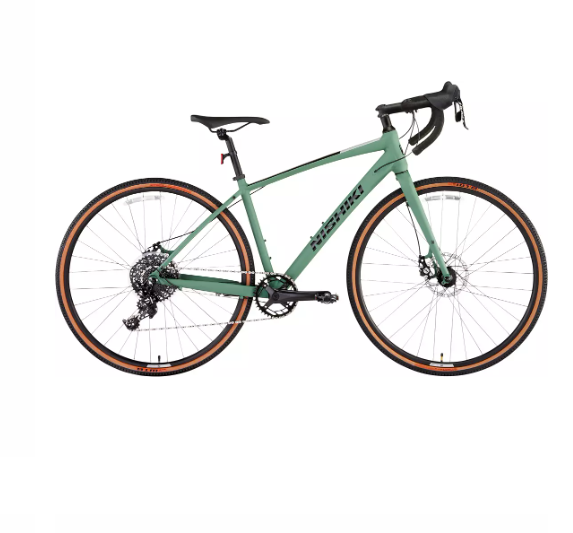
Nishiki Alamosa Gravel Bike
- Designed for off-road riding
- Sturdy and durable frame
- Mechanical disc brakes
- 17” = S, 19” = M, 21” = L
Exploring why this versatile machine is reshaping the gravel cycling landscape for riders of every skill level
The gravel cycling scene has exploded in recent years, and at the heart of this revolution sits a compelling paradox: how do you create a bike that’s both accessible to newcomers and capable enough for seasoned adventurers? The Nishiki gravel bike has emerged as a fascinating answer to this question, challenging the notion that quality gravel cycling requires a premium price tag.
Picture this: you’re standing at the threshold between smooth asphalt and rugged dirt trails, your heart racing with anticipation for the unknown terrain ahead. The Nishiki gravel bike beneath you represents more than just transportation – it’s your passport to adventures that seamlessly blend the efficiency of road cycling with the raw excitement of off-road exploration.
The DNA of Adventure: Understanding Nishiki’s Gravel Philosophy
The Nishiki gravel bike embodies a philosophy that prioritizes versatility without sacrificing performance. Unlike many manufacturers who approach gravel bikes as either road bikes with wider tires or mountain bikes with drop bars, Nishiki has crafted something distinctly different. Their approach recognizes that modern cyclists don’t want to choose between speed and adventure – they want both.
At its core, the Nishiki gravel bike features a geometry that strikes a careful balance between aggressive efficiency and comfortable endurance. The slightly relaxed head tube angle provides stability when navigating loose gravel or technical descents, while the bottom bracket height maintains that crucial ground clearance for rock gardens and root sections. This thoughtful engineering means you’re not constantly fighting the bike’s handling characteristics as terrain conditions change throughout your ride.
The frame construction reflects Nishiki’s commitment to democratizing quality cycling. While many gravel bikes in this segment cut corners with basic aluminum alloys, the Nishiki gravel bike utilizes hydroformed aluminum tubing that provides an excellent strength-to-weight ratio. This manufacturing process allows for variable wall thickness throughout the frame, placing material exactly where it’s needed for strength while removing excess weight where it’s not.
Breaking Down the Feature Arsenal
When examining what sets the Nishiki gravel bike apart, the component selection tells a story of intelligent compromise. The drivetrain typically features a wide-range cassette paired with a compact or sub-compact crankset, providing the gear ratios necessary for both sustained climbing and efficient flat-land cruising. This gearing philosophy acknowledges that gravel riders encounter dramatically varied terrain within single rides.
The braking system represents one area where Nishiki refuses to compromise. Disc brakes come standard on the Nishiki gravel bike, providing consistent stopping power regardless of weather conditions. Unlike rim brakes that lose effectiveness in wet or muddy conditions, these disc brakes maintain their bite when you need it most. The increased modulation also allows for more precise speed control on technical descents.
Tire clearance on the Nishiki gravel bike accommodates up to 700c x 40mm or 650b x 47mm tires, depending on the specific model. This flexibility allows riders to optimize their setup for specific terrain types or riding styles. Want to tackle smooth gravel roads efficiently? Mount some 35mm tires for reduced rolling resistance. Planning an adventure through chunky fire roads and singletrack? Those wider 40mm+ tires provide the cushioning and traction you’ll appreciate.
The cockpit setup deserves special attention because it directly impacts rider comfort during those long gravel adventures. The Nishiki gravel bike typically features a slightly shorter reach and taller head tube compared to pure road bikes, creating a more upright position that reduces fatigue during extended rides. The drop bar shape often incorporates a subtle flare, providing additional control leverage when riding on the drops through technical terrain.
The Economics of Gravel Adventure
Price sensitivity remains a crucial factor for many cyclists considering their first gravel bike or looking to expand their stable without breaking the bank. The Nishiki gravel bike typically retails between $800 and $1,400, positioning it squarely in the accessible performance category. This pricing strategy makes gravel cycling approachable for riders who might otherwise be priced out of the market.
When evaluating the cost proposition, it’s essential to consider what you’re getting for your investment. The Nishiki gravel bike includes features that were once reserved for much more expensive machines. Internal cable routing, thru-axles, and tubeless-ready wheels represent significant value additions that enhance both performance and long-term durability.
Compared to entry-level offerings from premium brands that might cost $2,000 or more, the Nishiki gravel bike delivers approximately 80% of the performance at roughly 60% of the price. This value equation becomes particularly compelling for beginners who aren’t sure about their long-term commitment to gravel cycling or experienced riders seeking a capable backup bike.
The Beginner’s Gateway to Gravel
The question of whether the Nishiki gravel bike is good for beginners requires examining what actually makes a bike beginner-friendly. Beyond the obvious factors like price and availability, true beginner-friendliness comes from forgiveness in handling, ease of maintenance, and room for growth as skills develop.
The Nishiki gravel bike excels in the forgiveness department through its relaxed geometry and stable handling characteristics. New gravel riders often struggle with the transition from predictable pavement to variable off-road surfaces. The bike’s design provides confidence-inspiring stability that allows beginners to focus on developing their skills rather than fighting unstable handling.
Maintenance simplicity represents another crucial factor for beginners. The Nishiki gravel bike typically features external bearing bottom brackets, standard cable systems, and readily available replacement parts. This approach means that basic maintenance and repairs can be handled by most local bike shops without specialized tools or extensive experience with proprietary systems.
The upgrade path also matters for beginners who might want to enhance their bike as their skills and preferences develop. The Nishiki gravel bike provides multiple upgrade opportunities, from wheels and tires to drivetrain components and contact points. This modularity means beginners aren’t locked into their initial specification if they decide to pursue more aggressive riding or specific disciplines within gravel cycling.
Sourcing Your Adventure Machine
The availability question – where can I buy a Nishiki gravel bike – touches on both convenience and support considerations. Nishiki bikes are primarily distributed through Dick’s Sporting Goods and their affiliated retailers, making them widely accessible across the United States. This distribution strategy prioritizes availability over exclusivity, aligning with Nishiki’s goal of making quality cycling accessible.
Local bike shop availability varies by region, but many independent retailers can order Nishiki bikes if they don’t stock them regularly. This option often provides the best of both worlds: competitive pricing with professional assembly and ongoing support. The relationship with a local shop becomes particularly valuable for ongoing maintenance and future upgrades.
Online purchasing options exist, but they require careful consideration of assembly requirements and warranty implications. While competent home mechanics can certainly handle the assembly process, the complexity of modern disc brake systems and internal cable routing makes professional assembly advisable for most riders.
The support ecosystem around the Nishiki gravel bike includes readily available replacement parts and comprehensive warranty coverage. Nishiki typically offers a limited lifetime warranty on frames, providing peace of mind for long-term ownership. Component warranties vary by manufacturer but generally align with industry standards.
Material Science Meets Adventure
The frame material discussion surrounding the Nishiki gravel bike often centers on aluminum versus carbon fiber, but this comparison misses the nuanced reality of modern bicycle manufacturing. The hydroformed aluminum used in Nishiki frames represents a sophisticated approach to metal frame construction that delivers performance characteristics once exclusive to carbon fiber.
Hydroforming allows engineers to vary tube shapes and wall thickness throughout the frame, optimizing strength and stiffness where needed while removing excess material elsewhere. This process creates frames that are both lighter and more responsive than traditional straight-gauge aluminum tubing. The result is a Nishiki gravel bike that provides excellent power transfer during climbs and sprints while maintaining the compliance necessary for all-day comfort.
Aluminum’s inherent durability advantages become particularly relevant for gravel cycling. Unlike carbon fiber, which can suffer catastrophic failure from impact damage, aluminum frames typically dent rather than break. This characteristic provides peace of mind when navigating rocky terrain or dealing with the inevitable crashes that come with adventurous riding.
The environmental considerations of frame materials also favor aluminum. The Nishiki gravel bike frame can be recycled at the end of its useful life, unlike carbon fiber frames that currently have limited recycling options. For environmentally conscious riders, this factor adds another dimension to the material choice decision.
Conquering the Terrain: Off-Road Performance Analysis
How the Nishiki gravel bike handles off-road terrain reveals the thoughtful engineering behind its design. The geometry strikes a careful balance between the quick handling preferred for technical singletrack and the stability needed for high-speed gravel descents. This compromise means the bike feels confident across a wide range of terrain types without excelling dramatically in any single category.
The frame’s compliance characteristics play a crucial role in off-road performance. The Nishiki gravel bike absorbs smaller impacts and vibrations that would otherwise fatigue the rider during long adventures. This compliance comes from both the frame design and the tire volume, creating a system that provides feedback about trail conditions without transmitting every small bump directly to the rider.
Handling precision becomes particularly important when navigating technical terrain at speed. The Nishiki gravel bike provides predictable steering response that builds confidence as riders push their limits. The bike tracks straight on loose surfaces while remaining responsive enough for quick direction changes around obstacles.
Climbing performance on steep grades showcases the bike’s efficient power transfer characteristics. The frame stiffness in the bottom bracket area ensures that pedaling forces translate directly into forward motion rather than being lost to frame flex. This efficiency becomes particularly noticeable during extended climbs where every watt matters.
The Rolling Foundation: Tire Technology and Clearance
Tire selection represents one of the most impactful decisions gravel riders make, and the Nishiki gravel bike provides the clearance necessary to optimize this choice. The maximum tire clearance accommodates everything from speedy 32mm road tires to aggressive 40mm+ gravel treads, allowing riders to adapt their setup to specific conditions or riding styles.
The tire size flexibility on the Nishiki gravel bike extends beyond simple width considerations. The frame and fork clearance also accommodate the slightly larger diameter of 650b wheels, which can run even wider tires for maximum cushioning and traction. This 650b compatibility opens up interesting possibilities for riders prioritizing comfort or tackling particularly rough terrain.
Tubeless compatibility represents a standard feature rather than an expensive upgrade on the Nishiki gravel bike. This technology allows riders to run lower tire pressures for improved traction and comfort while reducing the risk of pinch flats. The ability to seal small punctures automatically means fewer roadside repairs during remote adventures.
The relationship between tire pressure and performance becomes particularly complex in gravel cycling. The Nishiki gravel bike frame provides enough clearance that riders can experiment with different pressure settings without worrying about tire rub during dynamic riding situations. This freedom allows for fine-tuning the ride quality to match personal preferences and terrain conditions.
Braking Into the Future: Disc Brake Technology
The inclusion of disc brakes on the Nishiki gravel bike represents more than just keeping up with current trends – it reflects a fundamental understanding of gravel cycling requirements. Traditional rim brakes lose effectiveness in wet conditions and struggle with heat buildup during long descents, limitations that become serious safety concerns on remote gravel adventures.
Disc brake modulation allows for precise speed control that enhances confidence on technical descents. Rather than the on-off feeling of many rim brake systems, disc brakes provide progressive power that lets riders fine-tune their speed through corners and technical sections. This control becomes particularly valuable when riding loaded bikes during bikepacking adventures.
The maintenance advantages of disc brakes extend beyond just performance considerations. Brake pads are easily accessible and replaceable without special tools, and the adjustment process is more straightforward than the precise wheel alignment required for rim brakes. For riders planning extended tours or remote adventures, this serviceability represents a significant practical advantage.
Weather independence makes disc brakes particularly valuable for gravel cycling. Morning dew, stream crossings, and muddy conditions that would compromise rim brake performance have minimal impact on disc brake effectiveness. This reliability means riders can focus on navigation and terrain rather than worrying about stopping power.
Gearing Up for Adventure: Drivetrain Considerations
The gearing range on the Nishiki gravel bike reflects a deep understanding of the diverse terrain gravel riders encounter. Unlike road bikes that prioritize high-speed gearing or mountain bikes that focus on extreme climbing ratios, gravel bikes need to excel across an enormous range of conditions within single rides.
Most Nishiki gravel bike models feature drivetrains with gear ranges spanning from approximately 34/32 (easy climbing) to 50/11 (fast descending or tailwind sections). This range ensures that riders have appropriate gearing for sustained 15% climbs as well as 40+ mph descents, often within the same ride.
The number of gears varies by model, but the Nishiki gravel bike typically features either 1x (single chainring) or 2x (double chainring) drivetrains. Single chainring setups offer simplicity and reduced maintenance while providing adequate range for most gravel applications. Double chainring systems extend the gear range at both ends while maintaining smaller steps between gears.
Shift quality and reliability become crucial during long adventures where mechanical issues can strand riders far from assistance. The Nishiki gravel bike typically features proven drivetrain components that prioritize reliability over absolute performance. This approach means shifts might not be quite as crisp as top-tier racing components, but they’ll continue working reliably after thousands of miles in harsh conditions.
Endurance Engineering: Long-Distance Comfort
The suitability of the Nishiki gravel bike for long-distance rides depends heavily on fit and comfort optimization. The frame geometry provides a foundation for all-day comfort through its slightly relaxed positioning and vibration-dampening characteristics. However, individual fit requirements vary significantly, making professional fitting potentially valuable for riders planning regular long adventures.
Contact point comfort becomes crucial during extended rides. The Nishiki gravel bike typically features ergonomic bar tape and saddle designs that support multiple hand and body positions. The drop bar shape often incorporates subtle ergonomic features that reduce pressure points during long stretches in any single position.
Hydration and nutrition storage capabilities factor into long-distance suitability. Most Nishiki gravel bike models include mounting points for multiple water bottle cages, and many accommodate frame bags for additional storage. This carrying capacity proves essential for self-supported adventures where riders need to carry everything they might need for emergency repairs or extended time between resupply points.
The bike’s efficiency over varied terrain directly impacts rider fatigue during long adventures. The Nishiki gravel bike strikes a balance between the aerodynamic efficiency needed for long road sections and the stability required for technical off-road passages. This versatility means riders don’t pay excessive efficiency penalties when terrain conditions change throughout long rides.
Weight Considerations and Performance Impact
The weight of the Nishiki gravel bike typically falls between 24 and 28 pounds depending on the specific model and component selection. While this places it in the moderate weight category compared to high-end carbon fiber gravel bikes, the practical impact of this weight difference is often overstated by marketing departments and weight-obsessed cyclists.
During climbing situations, every pound matters, but the difference between a 24-pound and 28-pound bike represents roughly a 10-second difference over a 10-minute climb for most riders. This difference becomes even less significant when carrying additional gear for bikepacking or day-long adventures. The Nishiki gravel bike weight falls well within the range where rider fitness and technique matter far more than absolute bike weight.
The weight distribution on the Nishiki gravel bike often proves more important than total weight. The aluminum frame provides excellent stiffness-to-weight ratios in critical areas like the bottom bracket and head tube while allowing for compliance in areas that benefit from vibration dampening. This targeted approach to frame design creates a bike that feels lighter and more responsive than its actual weight might suggest.
For bikepacking applications, the Nishiki gravel bike base weight becomes less critical than load-carrying capability and stability under load. The frame’s ability to accept racks, bags, and additional gear often matters more than saving a few pounds in base weight. This practicality-focused approach aligns well with real-world gravel riding priorities.
Competitive Analysis: Standing Out in the Gravel Field
Understanding how the Nishiki gravel bike compares to other gravel bikes requires examining both direct competitors and aspirational alternatives. In the sub-$1,500 price category, the Nishiki competes primarily with entry-level offerings from established brands like Trek, Specialized, and Giant, as well as direct-to-consumer brands that have gained popularity in recent years.
Feature-for-feature comparisons often favor the Nishiki gravel bike in terms of included components and build quality at comparable price points. While premium brands might offer slight advantages in frame construction or component selection, these differences rarely translate into meaningful performance advantages for most riders. The Nishiki’s value proposition becomes particularly compelling when considering the total cost of ownership, including maintenance and potential upgrades.
The support ecosystem represents one area where established premium brands maintain advantages over the Nishiki gravel bike. Extensive dealer networks and specialized gravel bike programs provide resources that Nishiki’s more limited distribution cannot match. However, the widespread availability through major retailers often provides adequate support for most riders’ needs.
Brand perception and resale value considerations favor established cycling brands over newer or value-oriented options like Nishiki. Riders who prioritize these factors might choose to invest in premium alternatives despite the performance similarities. However, for riders focused on actual riding experience rather than brand prestige, the Nishiki gravel bike delivers exceptional value.
Practical Versatility: Mounting Options and Customization
The mounting point availability on the Nishiki gravel bike reflects its design philosophy of practical versatility. Most models include threaded mounting points for rear racks, front racks, and fenders, enabling transformation from minimalist gravel racer to fully loaded touring machine depending on adventure requirements.
Front and rear rack mounting capabilities open up significant carrying capacity for bikepacking and touring applications. The Nishiki gravel bike frame typically accommodates standard rack systems without requiring specialized adapters or modifications. This compatibility means riders can choose from a wide range of luggage systems to match their specific needs and preferences.
Fender mounting points prove essential for year-round riding in variable weather conditions. The Nishiki gravel bike clearances accommodate full-coverage fenders even with wider gravel tires mounted. This weather protection extends the bike’s utility beyond fair-weather adventures to include commuting and training rides in challenging conditions.
Additional mounting points for accessories like frame pumps, tool storage, and extra water bottle cages enhance the bike’s self-sufficiency for remote adventures. The Nishiki gravel bike typically includes these mounting options without requiring aftermarket frame modifications or specialized adapters.
Bikepacking DNA: Adventure Load Carrying
The suitability of the Nishiki gravel bike for bikepacking depends on both its load-carrying capabilities and its handling characteristics under load. The frame geometry provides stable handling even when loaded with overnight gear, while the mounting point array accommodates various luggage configurations from minimalist credit card touring to fully self-supported expeditions.
Frame bag compatibility represents a crucial factor for modern bikepacking setups. The Nishiki gravel bike frame triangle typically accommodates standard frame bags without interference from cables or components. Internal cable routing prevents cable rub against bags during extended rides, while the frame shape maximizes usable storage volume.
The bike’s climbing ability becomes particularly important when carrying additional weight for multi-day adventures. The Nishiki gravel bike gearing provides appropriate ratios for loaded climbing while maintaining efficiency for long flat sections. The frame stiffness ensures that pedaling power isn’t lost to flex even when carrying substantial loads.
Comfort considerations become amplified during bikepacking adventures where riders spend multiple consecutive days in the saddle. The Nishiki gravel bike compliance characteristics help reduce fatigue accumulation over extended periods while maintaining the efficiency needed for covering significant distances each day.
Fork Technology and Front-End Performance
The fork specification on the Nishiki gravel bike typically features either aluminum or carbon fiber construction depending on the specific model and price point. The choice between these materials involves tradeoffs between cost, weight, and ride characteristics that align with different rider priorities and applications.
Carbon fiber forks, when included on higher-end Nishiki gravel bike models, provide excellent vibration damping and reduced weight compared to aluminum alternatives. The material’s ability to be tuned for specific compliance characteristics allows engineers to optimize comfort without sacrificing steering precision or cornering stiffness.
Aluminum forks on entry-level Nishiki gravel bike models prioritize durability and cost-effectiveness while still providing competent performance. Modern aluminum fork designs incorporate features like tapered steerer tubes and thru-axle mounting that enhance both strength and handling precision compared to older designs.
The fork’s tire clearance matches the frame’s capabilities, ensuring that maximum tire sizes can be utilized without compromising performance. Disc brake mounting provides consistent stopping power regardless of weather conditions while maintaining frame and fork alignment under braking forces.
Size Range and Fit Considerations
The Nishiki gravel bike availability across multiple frame sizes ensures that riders of various heights can achieve proper fit and optimal performance. The size range typically spans from extra-small to extra-large, accommodating riders from approximately 5’2″ to 6’4″ with appropriate frame selection and component adjustments.
Frame geometry scaling across sizes maintains consistent handling characteristics while adjusting reach and stack measurements to accommodate different body proportions. This approach ensures that the Nishiki gravel bike rides similarly regardless of frame size, rather than having dramatically different characteristics between small and large frames.
Standover clearance receives particular attention in gravel bike design due to the increased likelihood of dismounting quickly on technical terrain. The Nishiki gravel bike provides adequate standover clearance across its size range while maintaining optimal seated riding positions for efficiency and comfort.
Component scaling, including stem length, handlebar width, and crank arm length, typically adjusts appropriately across frame sizes to optimize fit and performance for different rider sizes. This attention to proportional component selection enhances the out-of-the-box fit and reduces the need for immediate component swaps.
Warranty Protection and Long-Term Support
The warranty coverage on the Nishiki gravel bike typically includes frame protection that reflects confidence in the manufacturing quality and design durability. Understanding warranty terms and coverage limitations helps riders make informed decisions about long-term ownership and potential repair costs.
Frame warranty coverage usually extends for the lifetime of the original owner against manufacturing defects and material failures. This protection provides peace of mind for long-term ownership while excluding damage from crashes, misuse, or normal wear. The warranty terms typically align with industry standards while being administered through Nishiki’s dealer network.
Component warranties vary by manufacturer and typically range from one to two years depending on the specific part. Drivetrain components, wheels, and other wear items fall under their respective manufacturer warranties rather than Nishiki’s frame warranty. Understanding these coverage differences helps riders plan for potential maintenance and replacement costs.
The warranty claim process typically requires working through authorized dealers rather than directly with Nishiki. This approach ensures that warranty work is performed by qualified technicians while providing opportunities for riders to develop relationships with local bike shops for ongoing support and maintenance.
The Future of Accessible Adventure
The Nishiki gravel bike represents more than just another option in an increasingly crowded marketplace – it embodies a philosophy that prioritizes accessibility without compromising capability. In a cycling industry often focused on marginal gains and premium pricing, Nishiki’s approach refreshingly prioritizes real-world performance and value.
The democratization of quality gravel cycling equipment benefits the entire cycling community by lowering barriers to entry and enabling more riders to discover the joys of off-road adventure. The Nishiki gravel bike serves as a gateway drug for many riders who might otherwise never experience the freedom and excitement of gravel cycling.
As the gravel cycling segment continues to evolve and mature, the Nishiki gravel bike positioning becomes increasingly relevant. Rather than chasing the latest trends or marginal performance improvements, Nishiki focuses on delivering proven technology and reliable performance at accessible price points.
The environmental implications of this value-focused approach also deserve consideration. By creating durable, repairable bikes that serve riders well for many years, Nishiki contributes to more sustainable cycling practices compared to disposable or frequently upgraded alternatives.
The Nishiki gravel bike ultimately succeeds by focusing on what matters most: enabling adventures, building confidence, and providing reliable transportation across diverse terrain types. In a world filled with marketing hyperbole and incremental improvements, this straightforward approach to bike design and manufacturing feels both refreshing and necessary.
Whether you’re taking your first tentative pedal strokes onto gravel roads or planning your next multi-day bikepacking epic, the Nishiki gravel bike stands ready to serve as your capable and affordable companion. Its blend of practical features, reliable performance, and accessible pricing creates opportunities for adventures that might otherwise remain dreams.
The true measure of any gravel bike isn’t found in specification sheets or marketing claims – it’s discovered through countless miles of exploration, adventure, and personal growth. The Nishiki gravel bike provides the foundation for these experiences without demanding premium prices or perfect conditions. Sometimes, the best bike is simply the one that gets you out there, ready for whatever adventure awaits around the next bend in the trail.